Got Australia on your travel list mate? You’re in for an awesome adventure! From gorgeous beaches and amazing wildlife to lively cities and outback adventures, there’s no shortage of things to explore.
Before you pack your bags and head Down Under, there are a few useful things you should know to make your Australian trip even better. From important immigration laws, to navigating the vast distances and understanding local customs and language – a little planning can go a long way. Not to be too serious though, I’ll drop a few casual facts and insider tips too.
Going on a big trip? There are a few travel essential that can make your journey more convenient and comfortable. Check them out!
So grab a cup of coffee (btw coffee – a big thing in Australia) and get ready for everything you need to know before visiting Australia. Your unforgettable trip is just around the corner!
Australia – useful things to know before you visit
Quick LINKS:
Jump to:
1. Do you need a visa to visit Australia?
2. You can’t bring any plants into the country
3. How big is Australia?
4. Which is the best Month to visit?
5. Sunscreen is a must have
6. Where are the best places to visit?
7. Wifi and sim card tips
8. Australian people are very friendly
9. How safe is Australia?
10. Is it expensive?
11. Doing a road trip in Australia is a must
12. Which side of the road do they drive?
13. Don’t drive after dark
14. Will I see wild animals in Australia?
15. Are all the animals dangerous?
16. Museums and art galleries are mostly free
17. The coffee culture is out of this World
18. Avocados are delicious
19. Sanga, brekky and barbie
Let’s start with the most important “thing”. Because to visit Australia…
1. Do you need a visa to visit Australia?
Yes, you’ll need a visa. Basically everyone, no matter their nationality needs some sort of visa to enter Australia. (Except travellers from New Zealand). Sorting it out is the first and most crucial step. The type you need depends on your nationality and the purpose of your visit. For short-term tourism or business trips, many people can apply for an eVisitor visa (subclass 651) or an Electronic Travel Authority (ETA), both of which allow stays of up to 3 months. The application process is straightforward and can usually be done online. I’m linking here to the Australian Home Affairs website, where in a few steps, based on the purpose of your visit and your nationality, you can find out what type of visa you need.
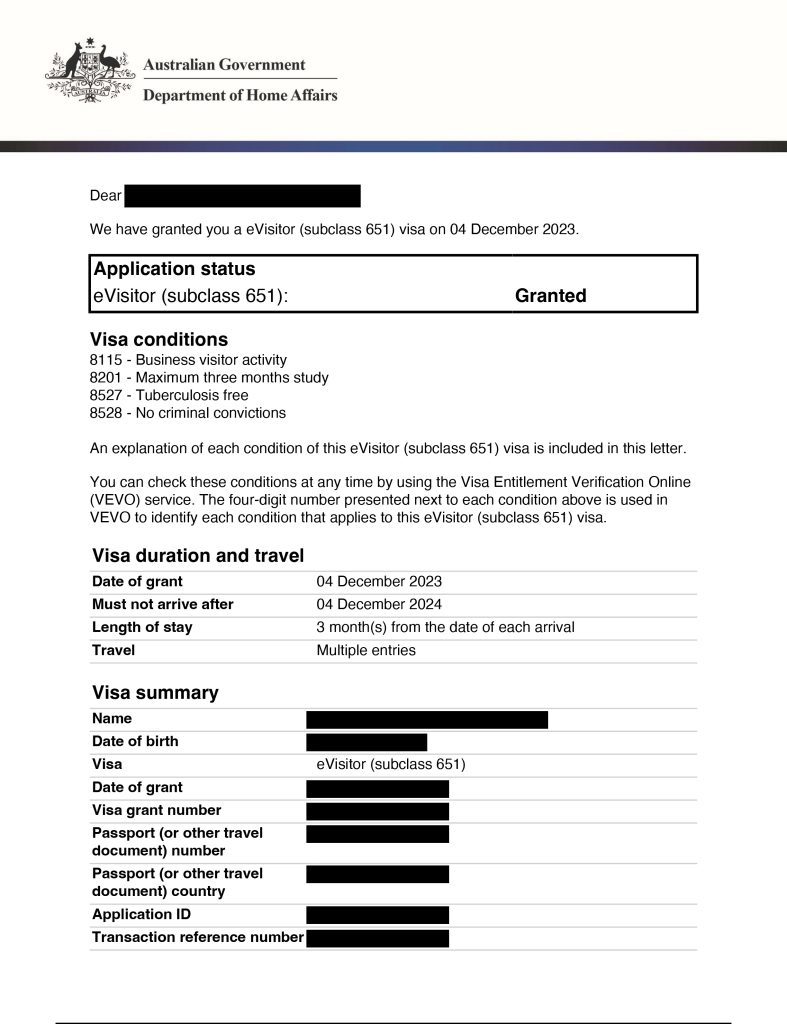
Even though you’ll most likely receive your visa within minutes after submitting your application (I did), it’s a good idea to apply early to avoid any last-minute hiccups and misunderstandings.
2. You can’t bring any plants into the country
Australia has some of the strictest biosecurity laws in the world to protect its unique environment and agriculture. There are several things you can’t bring into the country, like fresh fruit and vegetables, seeds, plants, meat products, and certain types of seafood… The list is quite long, so I’m not going to write all the forbidden products down. You can familiarize yourself with the prohibited items by clicking on this link.
But be aware, that for example your rattan hat or a bamboo handbag is also a plant. I got searched because of my bamboo bag. It doesn’t mean that you can’t bring it in. It just means that you have to declare it while filling in the Passenger Card on the plane or at the airport, before going through border control and customs. Actually it’s always a good idea to declare anything questionable to avoid fines or confiscation at the airport.
3. How big is Australia?
It’s bloody big! Keep that in mind when planning your trip – Australia is really a huge country. Since it’s an island and compared to the whole neighbouring Asian continent it doesn’t seem it, but it’s actually the sixth largest country in the world, covering about 7.7 million square kilometers. To put it into perspective, you could fit all of Europe or most of the United States inside Australia.
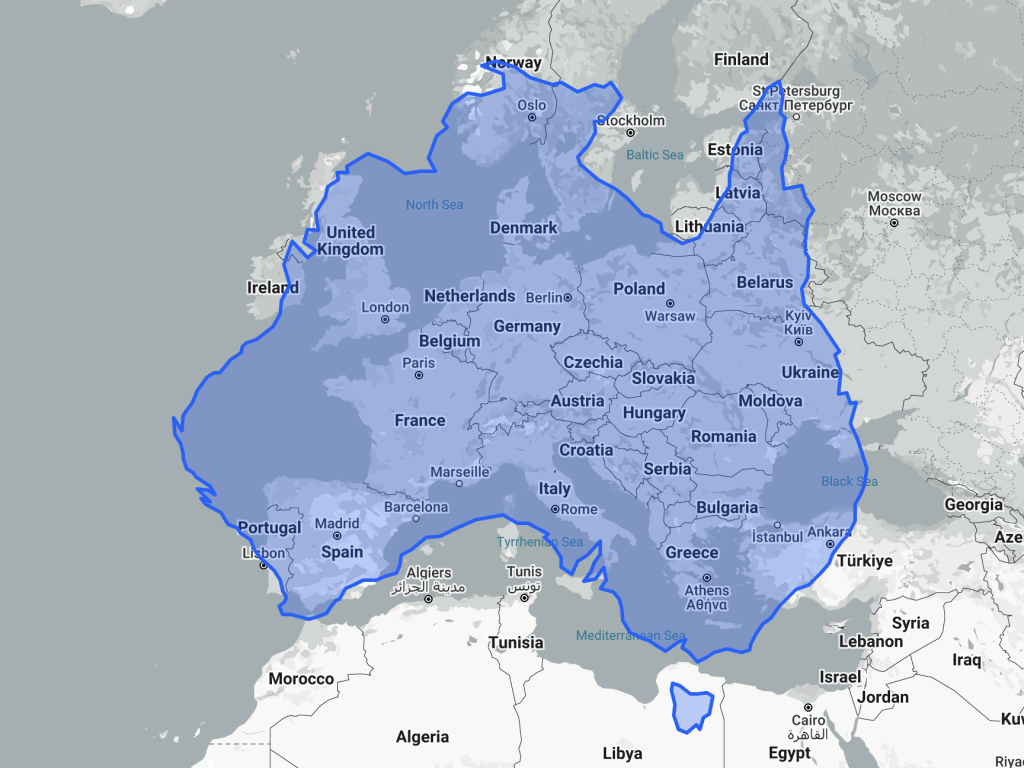
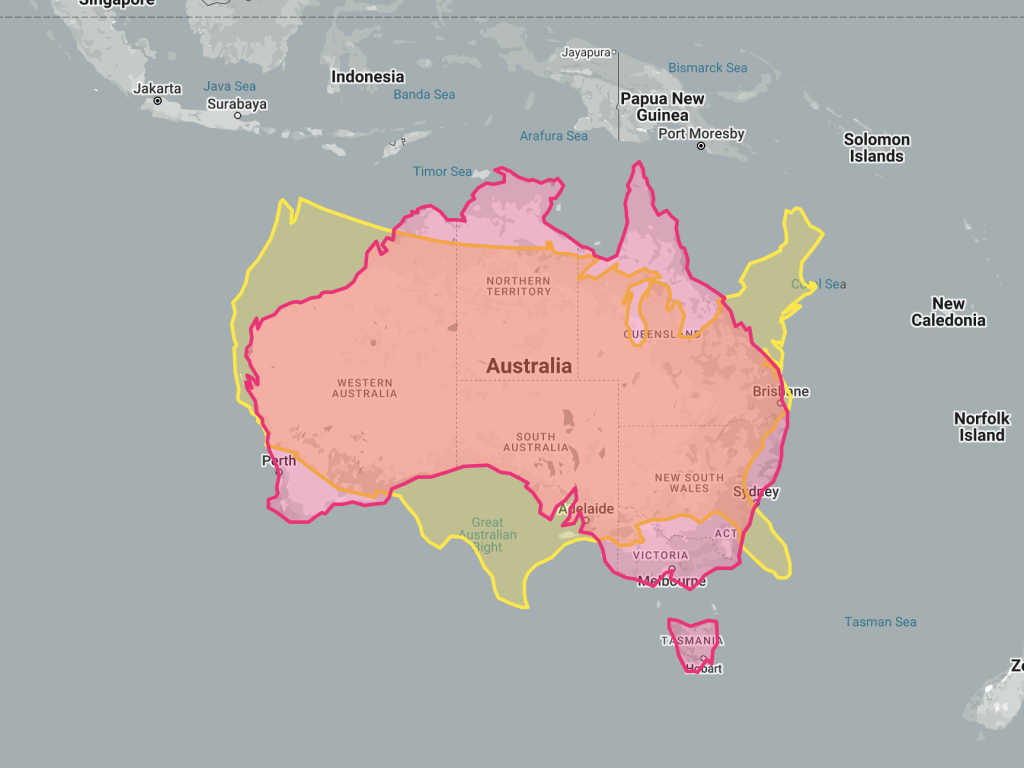
This size means that traveling between cities and landmarks can take time. I was very surprised when buying plane tickets from Darwin (north) to Melbourne (south) and finding out that the flight will take 4 hours. That’s longer than I ever flew in Europe. The same with flying from east to west. And driving across the outback can mean days on the road. But yep, that’s Australia. That’s why planning your itinerary carefully and taking distances into consideration is key to a perfect trip.
4. Which is the best Month to visit?
There’s no “right” time to go. Since Australia is so huge, it’s hard to sum it up in one sentence and recommend a specific month for your visit. You get tropical north, continental south, hot east and west. Let’s not forget about desert-y middle. But in general, spring (September to November) and autumn (March to May), offering mild weather and fewer crowds, are considered the best times to visit.
For southern cities like Sydney and Melbourne, summer (December to February) is perfect for enjoying beaches and outdoor events, while winter (June to August) brings cooler temperatures and great skiing in the Snowy Mountains. But no matter the season, there’s always something amazing to see and do in Australia!
5. Sunscreen is A Must have
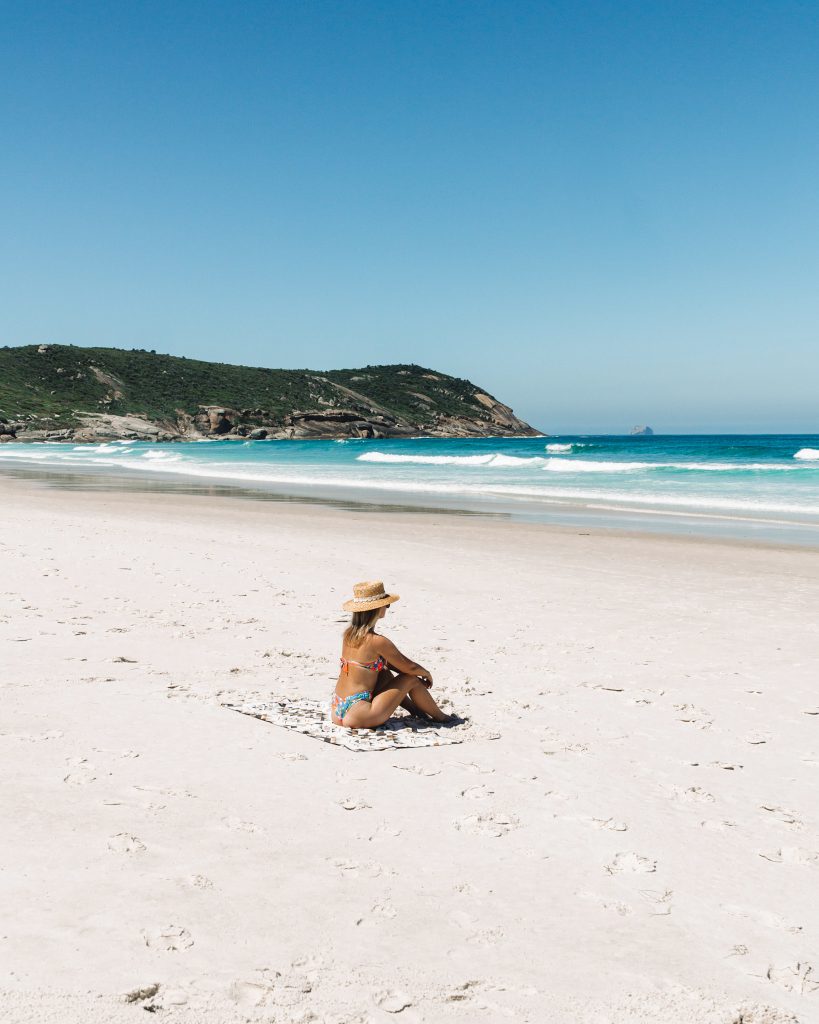
Beware of the sun. I can’t believe that I’m saying this about the Sun…the Sun that I love so much, but Sun in Australia is evil. Not as evil as in New Zealand, but you still get that feeling that it wants to burn you alive. Due to the thinner ozone layer over the region, Australia has some of the highest UV levels in the world. This means less natural protection from the sun’s harmful rays. So wearing sunscreen is an absolute must, even on cloudy days. Opt for a broad-spectrum sunscreen with an SPF of 30 or higher, and remember to reapply it every two hours, especially if you’re swimming or sweating. In addition to sunscreen, wearing a hat, sunglasses, and protective clothing can help shield you from UV exposure.
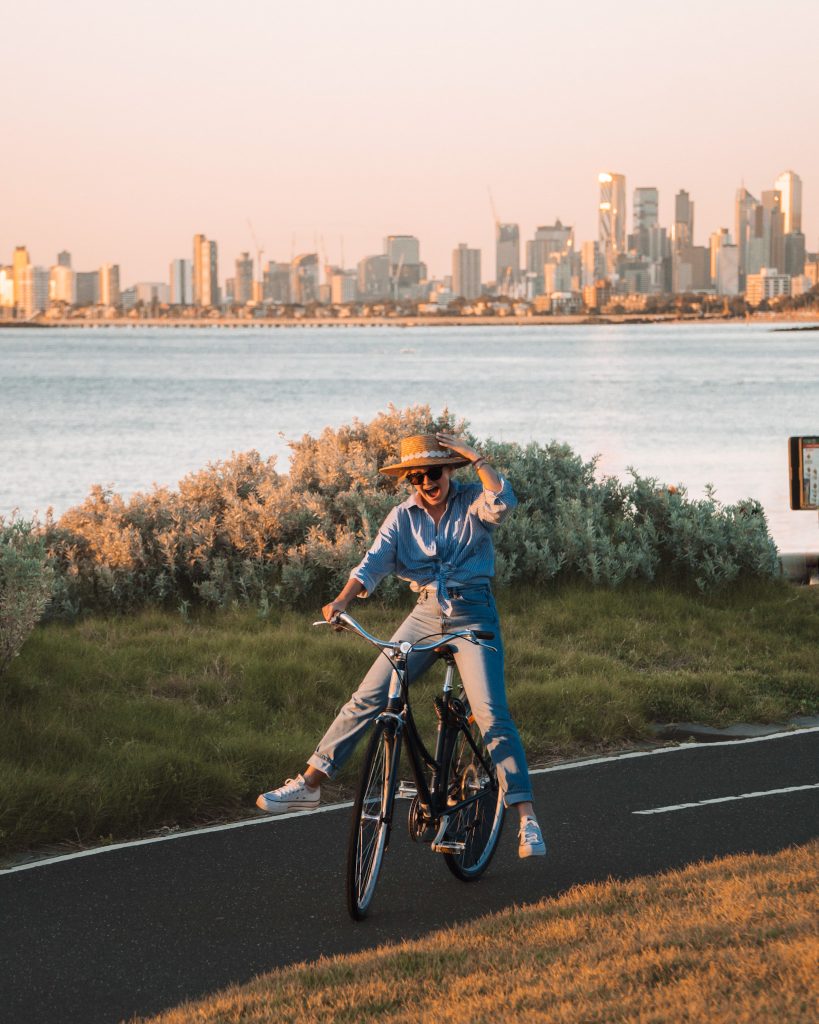
So what did we learn from this?
Always, I repeat, ALWAYS wear sunscreen when in Australia!
6. Where are the best places to visit?
That’s a good question. Definitely the top of the “Australia – useful things to know before you visit” list. Because there is a big chance is that you won’t be able to see all of Australia during your trip. I’ve been there twice and I still feel like I barely “touched” this country. But not to make it too stressful, especially if it’s your first visit, I’d stick to 2, maximum 3 regions. Visiting only 1 is also ok.
Let’s do a little breakdown though.
Eastern Australia
Great Barrier Reef, Queensland: Explore one of the world’s natural wonders for snorkeling and diving.
Sydney, New South Wales: Iconic for the Sydney Opera House, Harbour Bridge, and stunning beaches like Bondi.
Brisbane, Queensland: A sunny city close to the Gold Coast and theme parks.

Northern Australia
Darwin, Northern Territory: Gateway to Kakadu National Park and rich Aboriginal culture.
Southern Australia
Adelaide, South Australia: Known for its wine regions like Barossa Valley and the wildlife-rich Kangaroo Island.
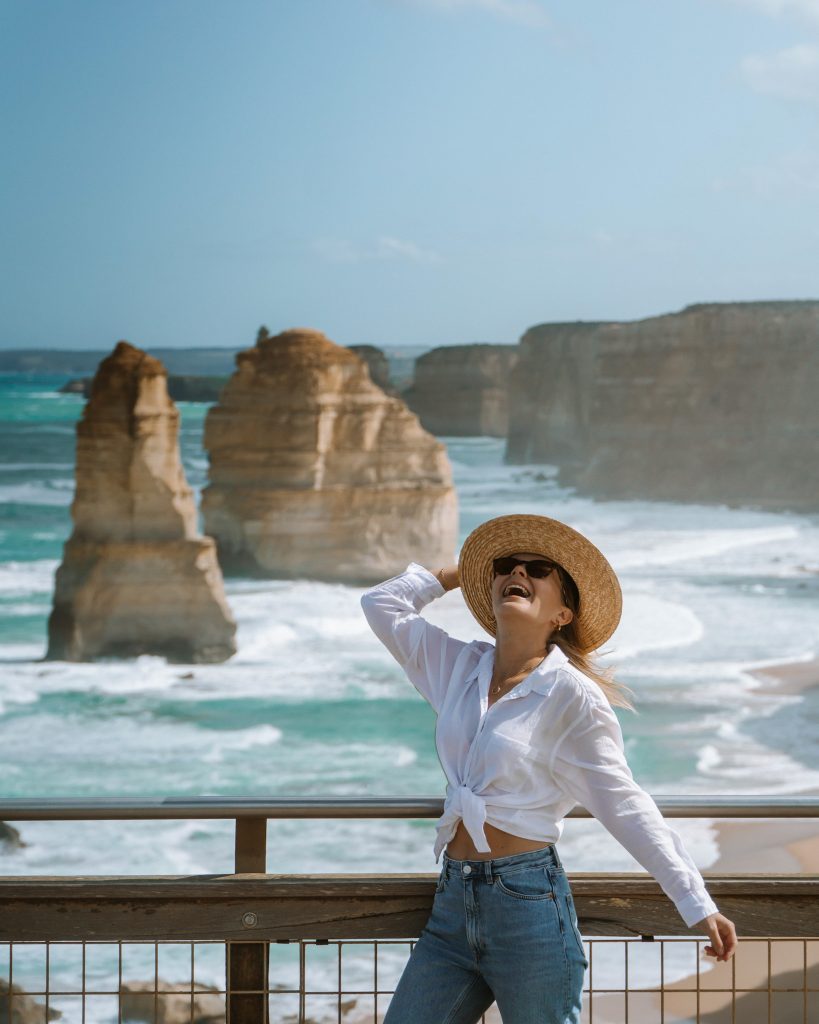
Melbourne, Victoria: Known for its artsy vibe, coffee culture, and attractions like the Great Ocean Road.
Tasmania: A nature lover’s paradise with stunning landscapes like Cradle Mountain and Wineglass Bay.
Western Australia
Perth: A laid-back city with beaches, Kings Park, and nearby Rottnest Island, home to quokkas.
Broome: Famous for Cable Beach sunsets and its pearling history.
Margaret River: A must for wine enthusiasts and surfers.
Central Australia
Uluru (Ayers Rock), Northern Territory: A cultural and spiritual icon surrounded by the red desert.
Alice Springs: A base for exploring the Outback, including Kings Canyon and the MacDonnell Ranges.
As you can see, Australia really has it all. From vibrant cities to deserted Outback.
7. Wi-fi and sim card tips
You might be surprised to learn that public Wi-Fi is hard to find in Australia. Unlike Europe and Asia, cafes, bars and restaurants, rarely have Wi-Fi and unless you have a really good roaming package with your home mobile provider, you’ll need to get yourself a simcard. If you’re really stuck, you could visit bigger international businesses like McDonalds or Starbucks who at least have some kind of free wifi connection.
If you are going to be connecting to Public Wifi, you should really use a VPN. I recommend NordVpn, check it out here. I’ve used it all over the world and I’ve been very happy with it.
Unfortunately my experience with setting up simcards in Australia has also been very hit and miss. The first time I bought a pre-paid simcard, it never worked. I spent hours on online customer chats trying to get it to work and eventually trying to get my money back to no avail. Even worse, that network (Optus) got hacked and my partner’s passport details were leaked. I just might have been unlucky on that occasion. But I definitely had a poor experience from Optus.
Last time I visited I picked up a couple of prepaid sim cards from ALDI and they worked perfectly, so if I was to recommend anything, I would avoid going directly to the two big networks (Telstra and Optus) and pick one of the smaller brands with better customer service (even if they still use the same networks as Telstra and Optus).
Or you can prepare before you go and set up an Esim. This is a really good alternative where you don’t need a physical sim card, just an app on your phone and you can have it all prepared in advance. I actually have a discount code for Saily to get a 5% discount off your first e-sim if you sign up here and enter discount code: SPECIAL5
8. Australian People are very friendly
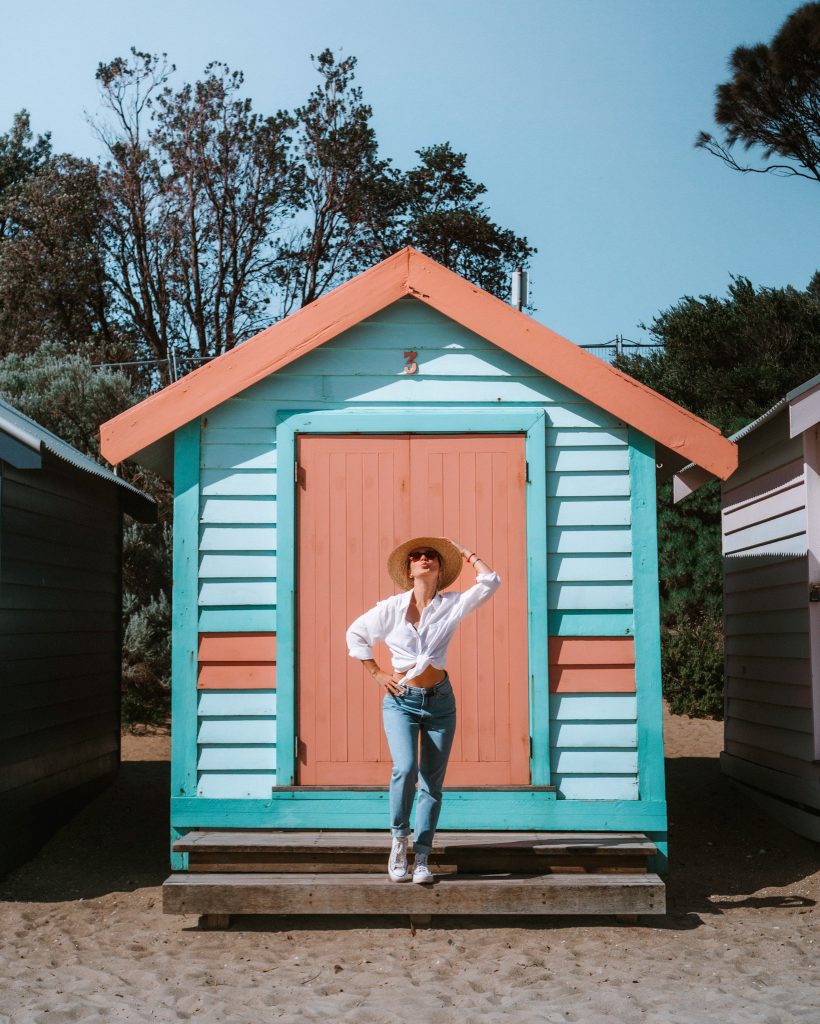
That was the first thing I noticed after spending a few hours in Australia: how nice and helpful people are. And not fake nice. Sincerely nice! And warm and approachable! Everyone says “hello” when they pass you, everyone is happy to chat, everyone will try to help you if you need it. Even road culture is on the higher standard. Their laid-back nature is real, making visiting the country an even more enjoyable experience.
That leads us to the next “Australia – things to know before you visit” point…
9. How safe is Australia?
It’s Safe. Australia is considered one of the safest countries in the world for travelers, with a low crime rate and a welcoming atmosphere. Cities and towns are generally safe to explore, even at night, as long as you follow common-sense precautions like staying aware of your surroundings. I personally did not feel unsafe once while travelling around Australia.
No matter how safe the country is, different kind of accidents do happen. That’s why it’s always wise to have travel insurance. So don’t wait up and get the best one there is! SafetyWing has you covered. If you want to know more about it, read my blog post.
10. Is it expensive?
Well, that really depends what is expensive to you and what you relate Australian prices to. But in general, as amazing as Australia is, it can be on the expensive side, especially in major cities like Sydney and Melbourne. Accommodation will definitely take the biggest portion of your expenses, so you know, it’d be great if you had friends and family to stay at for a few nights. 🙂 But even without it, there are a few ways to cut costs, like booking accommodation with a little kitchen so you can prepare food for yourself and skipping drinking out.
Groceries for example, did not seem any more pricey than in Europe and their microwavable meals are pretty decent. 🙂 So you know, with a little planning, you can still enjoy Australia’s amazing experiences without breaking the bank!
11. Doing a road trip in Australia is a must
That can be another way to save money on accommodation btw. All you need is a van…which won’t be cheap, so…forget what I just said. 🙂
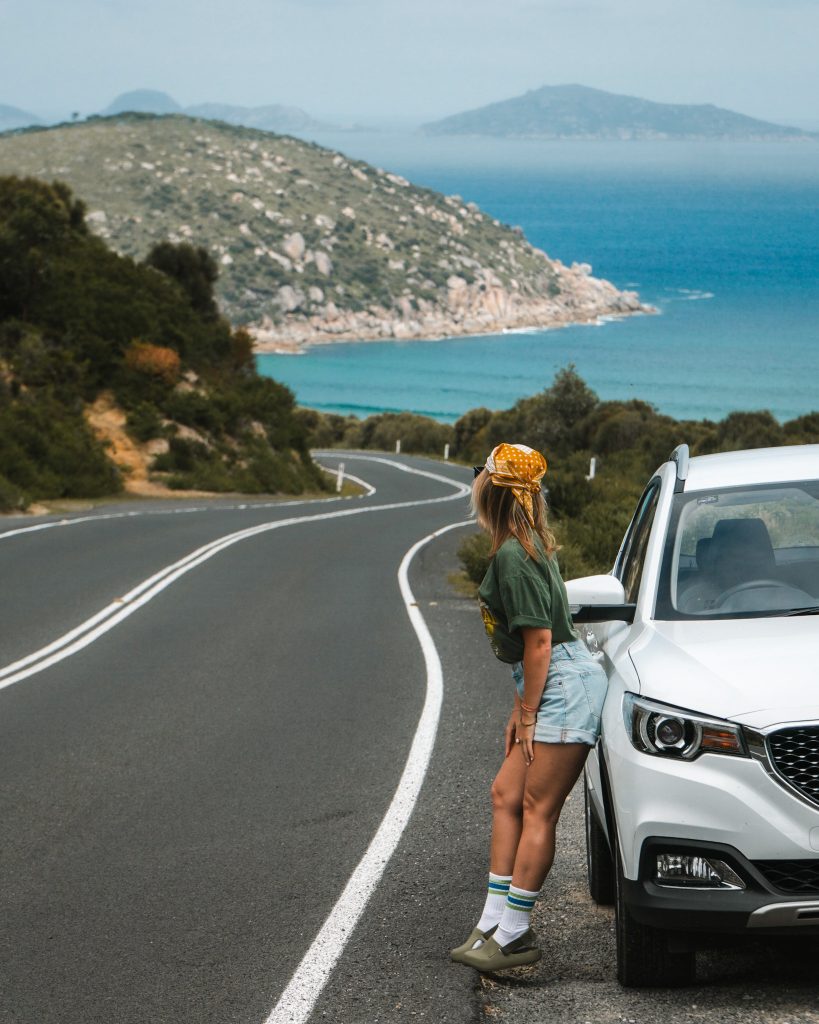
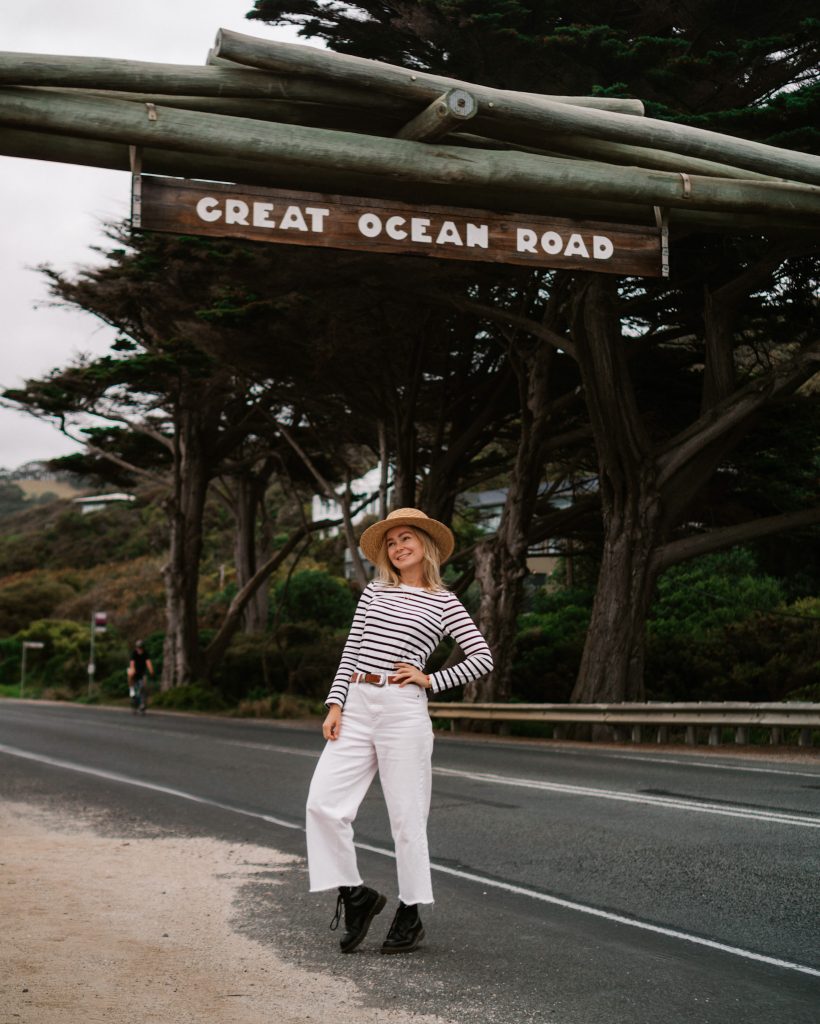
But on a more serious note, road tripping through Australia is the best way to experience the country’s incredible diversity and breathtaking landscapes and feel the laid-back vibe. From the iconic Great Ocean Road in Victoria to the rugged Outback routes of the Northern Territory – each journey offers its own unique adventure. Driving gives you the freedom to explore at your own pace, discovering hidden gems, secluded beaches, charming small towns, and stunning national parks.
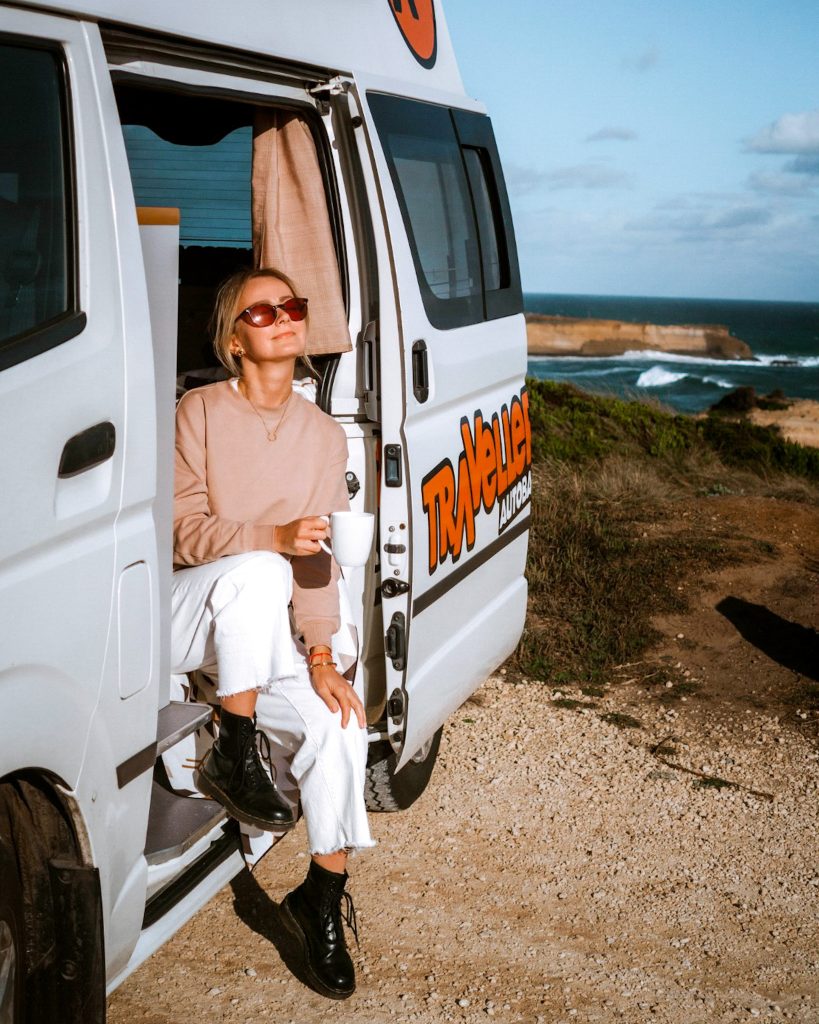
I did 2 road trips when in Australia. One classic: Great Ocean Road and one through Queensland. And can honestly say that those were the most memorable trips of my life. Even though van life is not necessarily for me, I did enjoy the freedom and eating meals with amazing views. Just again, take vast distances into consideration when planning your road trip, so you don’t end up driving for 8h a day.
And speaking of driving, in Australia…
12. Which side of the road do they drive?
Well, I don’t think this needs much explanation. Aussies drive on the left-hand side of the road.
But there is another piece of advice I can give you regarding driving and road trips…
13. Don’t drive after dark
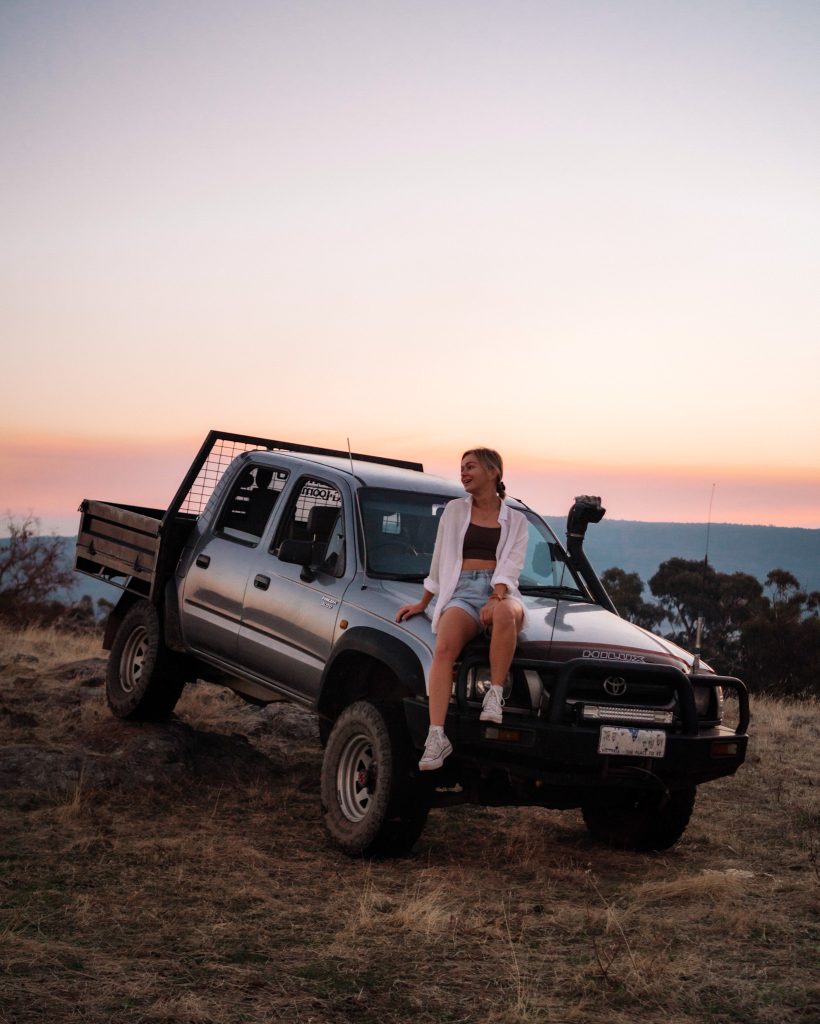
There is a lot of wildlife in Australia that is active after sunset, and trust me, you don’t want to hit a kangaroo or even worse a lovely wombat. I had to drive in the dark a few times, and it was the most stressful thing ever. Especially if you’re on the country roads in a rented van. So if you can, avoid it at all cost.
And speaking of animals…
14. Will i see wild animals in Australia?
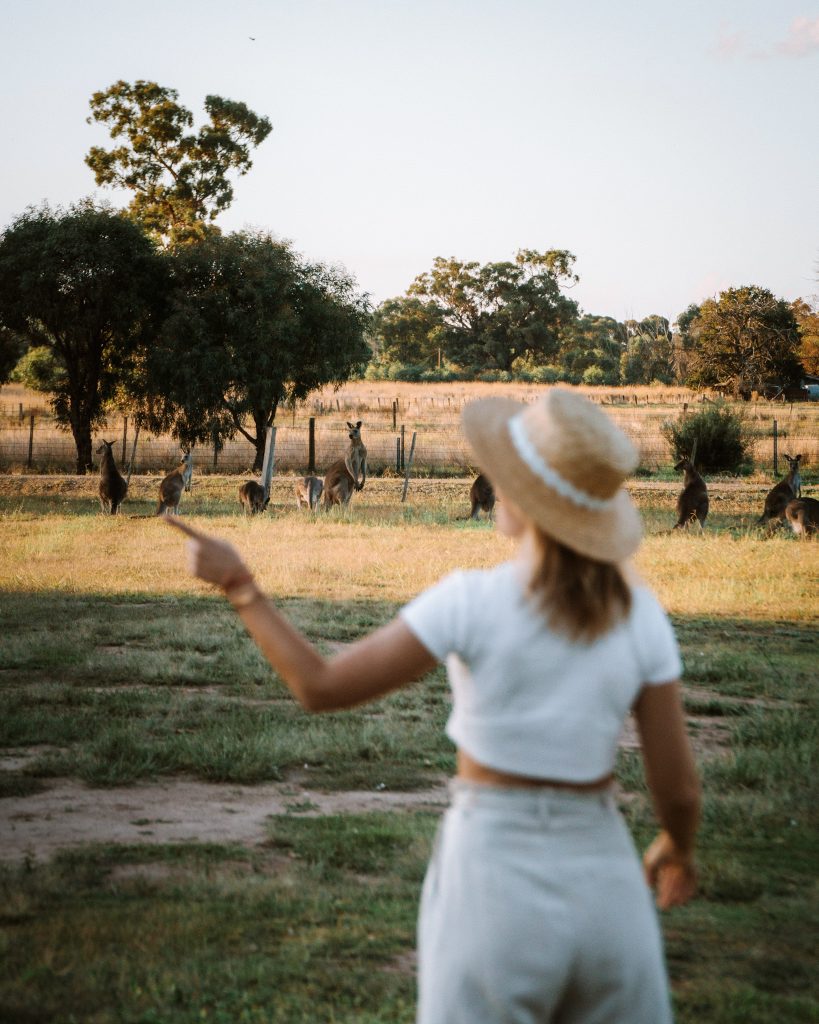
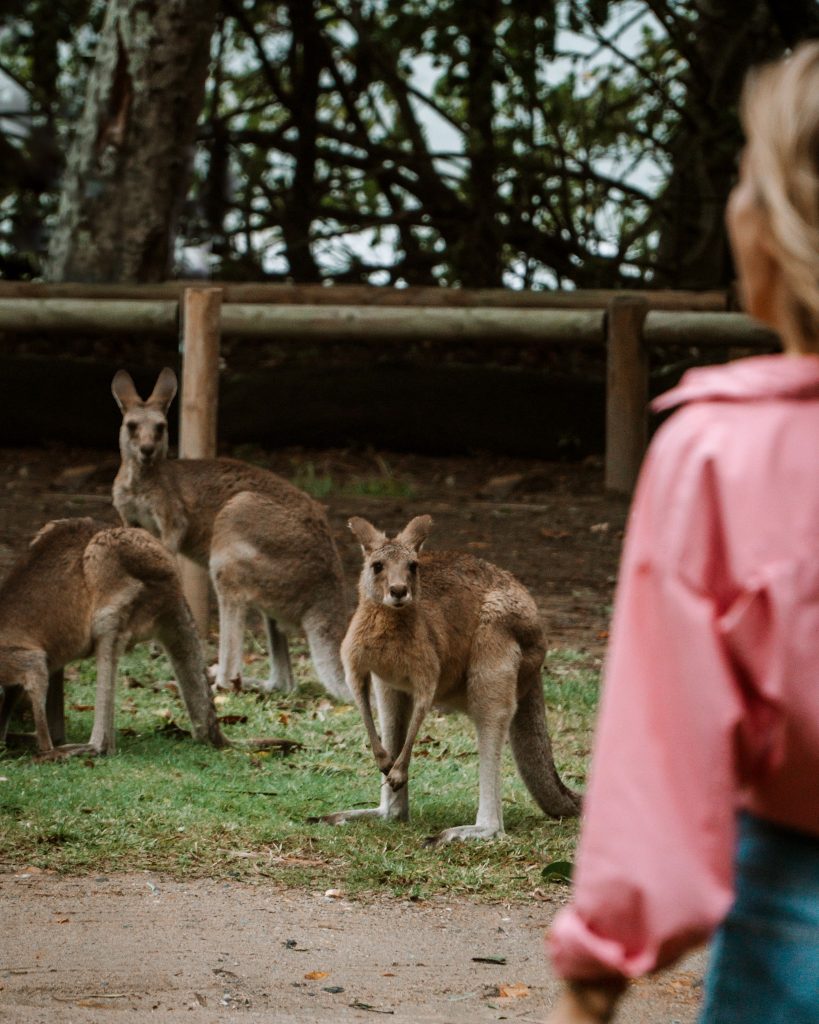
You’ll see a lot of wildlife! Australia is a wildlife lover’s paradise and home to some of the most unique and fascinating animals on the planet. From kangaroos hopping through the Outback to cuddly koalas lounging in eucalyptus trees, Australia’s native species are truly one-of-a-kind. And the best part is, that you don’t have to go to the Zoo or animal sanctuaries to see them. You can easily spot Australian wildlife wherever you go. Well ok, not in the city centres. But a quick road trip to the countryside and distinctive Australian fauna can be within reach. And I’m telling you, it’s the best thing! Seeing roos and koalas and even wombats in the wild – although they require a bit of a search, was my favourite thing about Australia. Even birds are quite fascinating.
And despite what you might have heard about Australia…
15. Are all the animals dangerous?
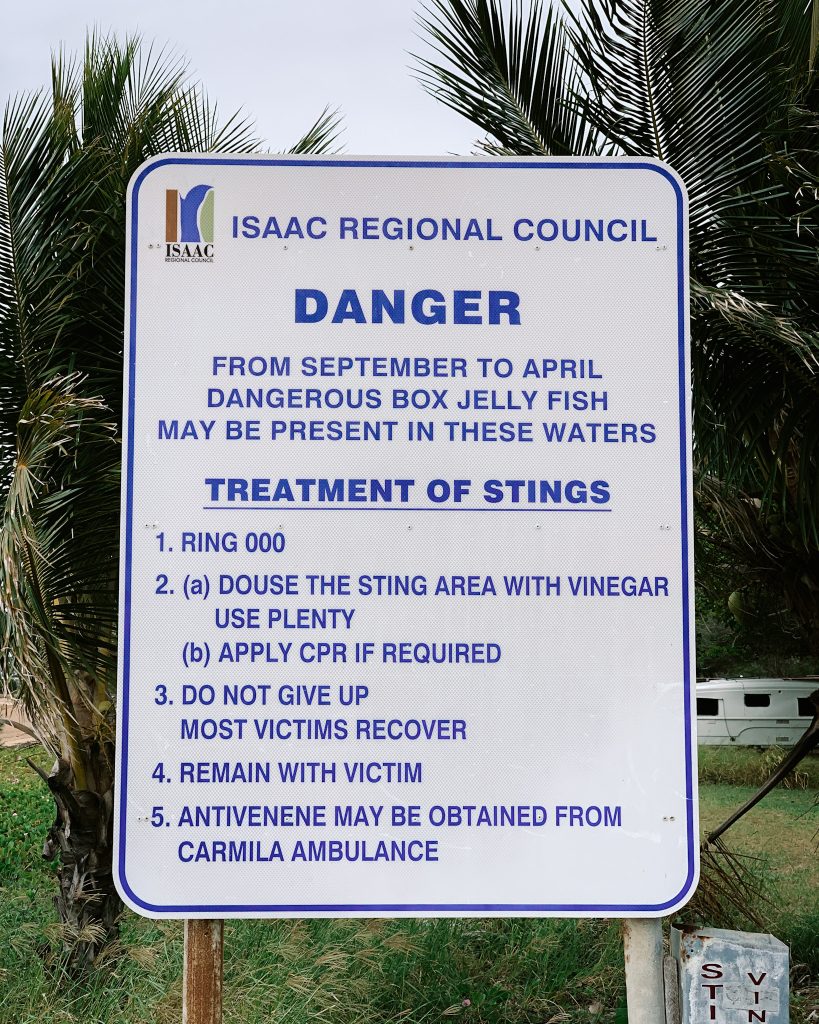
Yes, Australia is home to some of the most poisonous and dangerous species in the world. Snakes, spiders, crocodiles, sharks, jellyfish. Let’s not forget about drop bears 😛 But the reality is, that the encounters with these creatures are relatively rare and the chance that you’ll be bitten by a deadly spider is super low. I spent almost 2 months is Australia (mostly in the countryside) and saw maybe 3 snakes. Mostly during walks in national parks on a hot days – they love lying in the sun. So yes, you have to be careful and take precautions, but unless you wander into deep bushes or stroll the beaches despite clear warnings, you should make it out alive from your trip to Australia.
16. Museums and art galleries are mostly free
Another useful “Australia – things to know before you visit” tip: many museums and galleries are free to enter! The National Gallery of Victoria (NGV) in Melbourne, the Art Gallery of New South Wales in Sydney, the Australian Museum and more offer free general admission, allowing visitors to explore their incredible collections at no cost. Making art, culture, and history accessible to everyone reflects Australia’s commitment to fostering a love of culture and preserving the heritage. And makes this cool already country, even cooler.
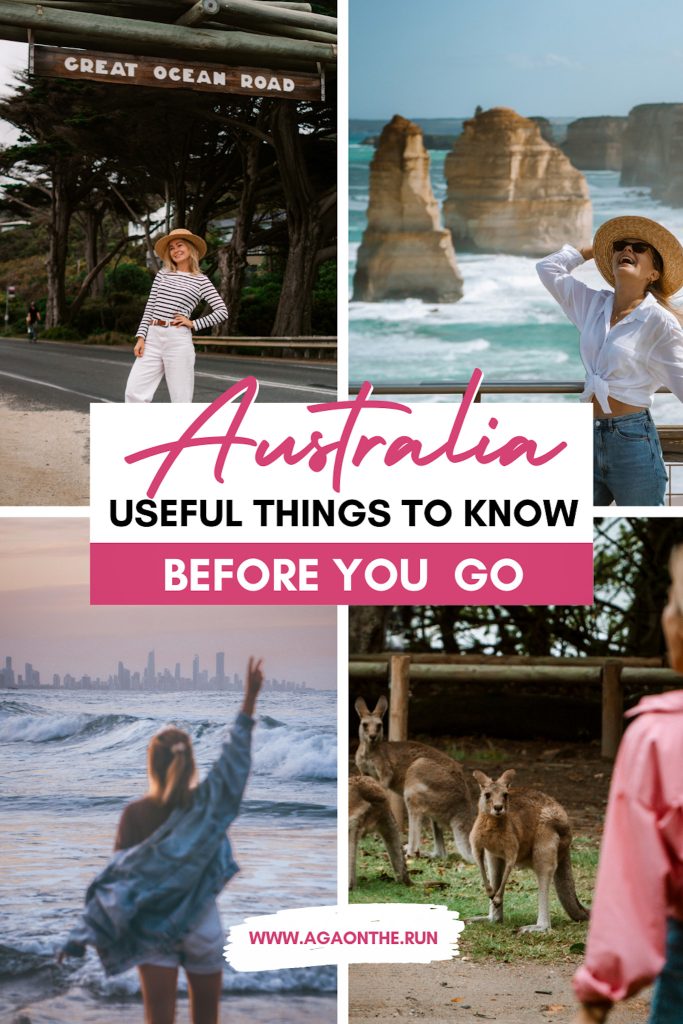
Australia – things to know before you visit! Pin for later!
Ok, let’s get to more quirky Australia – things to know before you visit. Not completely useless though. 😉
17. The coffee culture IS out of thIS World
Australia has one of the most vibrant and sophisticated coffee cultures in the world. For Aussies, coffee isn’t just a drink – it’s a lifestyle, an art form, and a ritual. Whether it’s a morning pick-me-up, a leisurely afternoon break, or a social outing with mates, coffee plays a central role in Australian daily life. And what’s most important, unlike many countries where large coffee chains prevail, Aussies prefer boutique cafés with character, charm, and an emphasis on quality speciality coffee. So, when you finally make it Down Under, grab a flat white and experience the coffee magic for yourself!

18. Avocados are delicious
I’m telling you, after eating Australian avocados, no avocado will be ever good enough for you. With their creamy texture, rich flavour, and high nutritional value, Australian-grown avocados are a staple in households across the country. Avo toast is basically a national dish. Australia’s avocado industry is also committed to sustainable farming practices, ensuring that the fruit is grown with care for the environment. And since its grown in the country, you don’t have to worry about mafias and cartels abusing farmers. So whether you’re a fan of their health benefits or just love their creamy goodness, you can’t leave the country without trying Aussie avos.
Speaking of sustainability…
We all need to take care about our environment a bit more, even while travelling. That’s why I prepared for you an easy guide on becoming an eco-friendly traveller in 5 simple steps. Check it out.

19. Sanga, brekky and barbie
Australians abbreviate everything and use a lot of slang. It’s one of the quirks that makes Aussie English so unique and endearing. If there’s a word with more than two syllables, chances are an Aussie has shortened it. No-one will be wasting time on pronouncing: afternoon, ambulance or liquor store, when you can say: arvo, ambo and bottle-o. It’s all part of the laid-back culture that values informality and a bit of cheekiness. Plus, it’s a bit of fun!
Btw, who knows what a sanga or a barbie is?
Sandwich and barbecue of course. And brekkie is naturally breakfast.
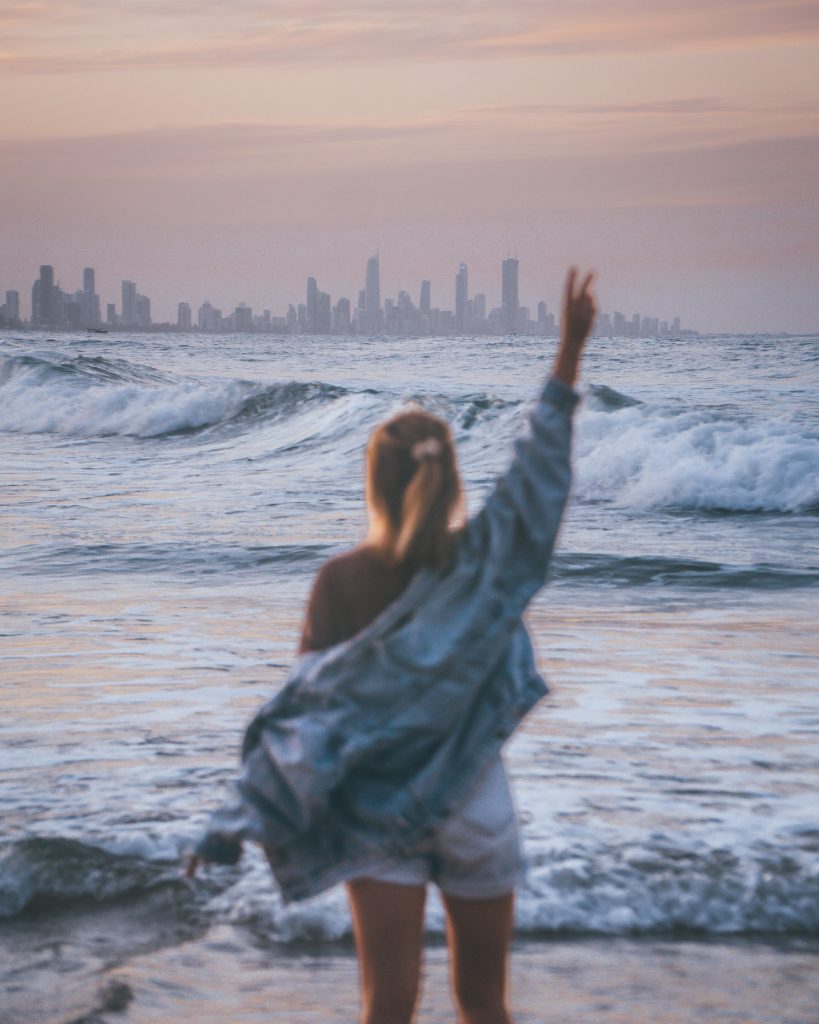
Ufff That’s it!
Hope it wasn’t too much for you and those “Australia – things to know before you visit” tips will make it easier for you to prepare for your great adventure. If you have any questions, drop them in the comments. Otherwise, have fun exploring the Down Under!
Hi, it’s Aga, the author of this blog. If you found this blog post interesting, entertaining or useful, please think of buying me a virtual coffee to support the site’s running costs. But if you know me, I might actually spend it on coffee. Thanks!
Pin “Australia – things to know before you visit” for later!



Leave a Reply