Japan has become wildly popular lately – and for good reason. Between neon-lit cities, ancient temples, cherry blossoms, bullet trains, convenience stores that feel superior to most supermarkets and toilets smarter than your phone…it’s hard not to be curious.
But planning your first trip to Japan? That’s where excitement quickly turns into research mode.
Disclaimer: This page contains affiliate links, If you click one of them I will earn a small commission, it won’t cost you anything extra.
If you’re travelling to Japan for the first time, you probably have about 47 tabs open right now: visa requirements, the best time to visit, JR Pass drama, cash or card, whether people speak English – and what do you mean you have to carry your own towel?
Take a breath. In this guide, I’ll share 22 practical Japan travel tips for first-time visitors, covering everything from visas, seasons and transport to the everyday details no one warns you about. Yes, you really do have to be fully naked in an onsen.
So before you finalize that itinerary, read this! Your future-in-Japan self will thank you. And me! Haha
But first, let’s sort out the travel essentials that will make your trip to Japan a little easier from the moment you land.
Before you go
Where to Stay
Find the best hotel deals on Booking.com, Trip.com or book my recommendation:
Stay Connected
Get online from the moment you land with Saily eSIM. I use it on most of my trips to avoid hunting for a local SIM card. Get yours now.
Pay like a local
I use Wise to pay in local currency and avoid huge bank fees while travelling. Sign up for Wise and pay like a local.
Drink tap water
Drink clean water wherever you go with a Waterwell filter bottle – My travel essential for years. Order yours here.
Travel with peace of mind
Don’t forget travel insurance before your trip. I use SafetyWing whenever I travel abroad. Protect yourself with SafetyWing
Protect your data
Using public WiFi at airports, cafes or hotels? I use NordVPN to keep my connection and my personal data safe. Check out NordVPN
Want more tips like these? Check out my full Travel Resources page for everything I use to plan and book trips.
First trip to Japan: 22 important tips for stress free travel
To make it a bit more clear (I have a feeling it will be a long blog post…oops), I divided it into the categories. So let’s start from the beginning.
Before You Go: Planning Basics
1. Do You Need a Visa for Japan?
For most people planning their first trip to Japan, the answer is: probably not. Many nationalities (including most of Europe, the US, Canada and Australia) can enter visa-free for up to 90 days as tourists. You simply arrive, get stamped, and that’s it.
But always check based on your passport. Visa rules depend on nationality and can change.
Before arrival, you’ll also need to complete the Disembarkation Card for Foreigners. The easiest way is to fill it in online through Visit Japan Web system and get a QR code. At the airport, you just show the code to immigration instead of filling out paper forms on the plane. Much smoother.
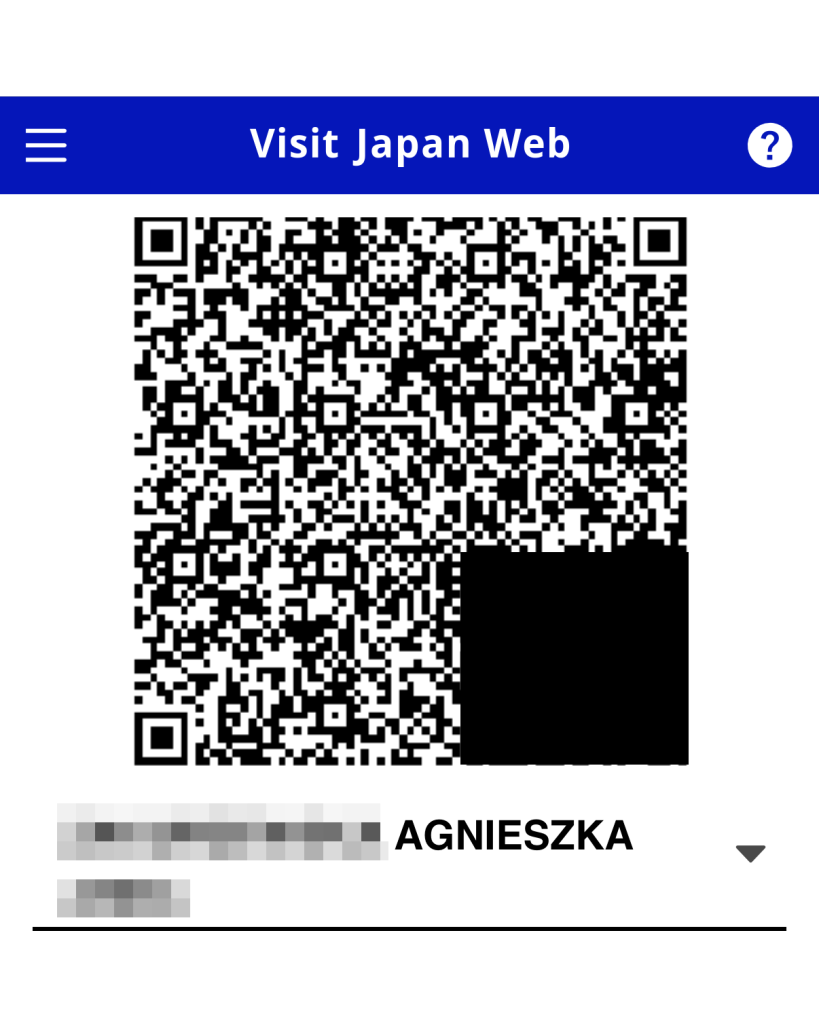
Immigration tip:
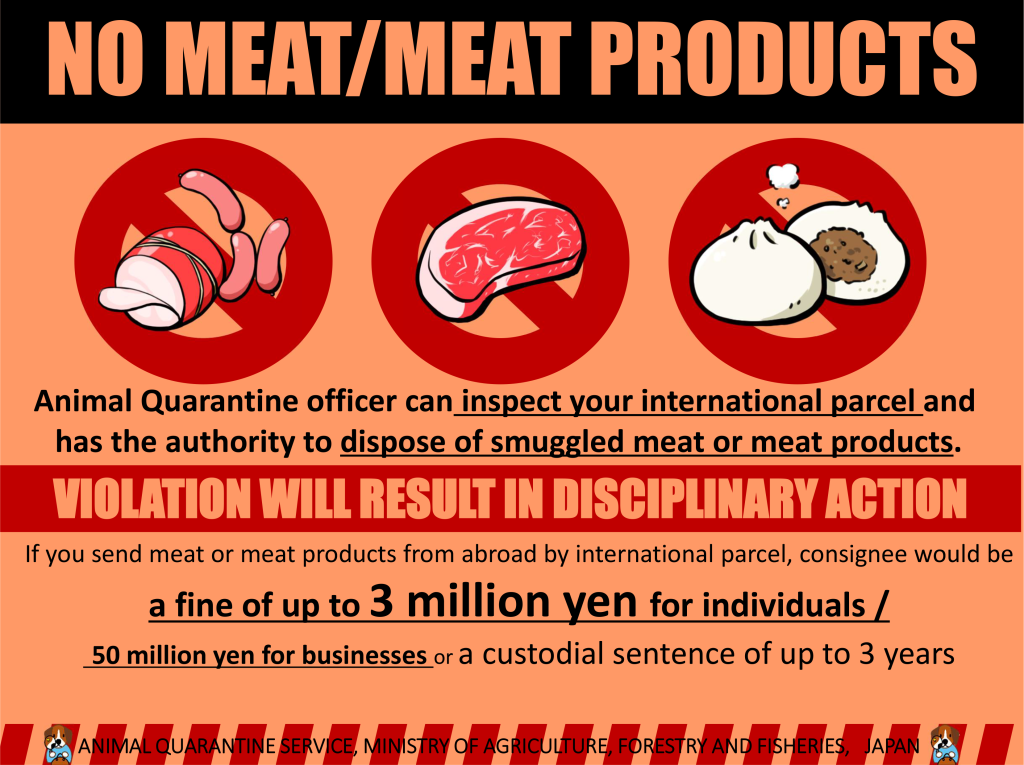
One more important thing for your first trip to Japan: be careful what you pack. Japan has strict rules about bringing in meat, fresh food, plants and certain animal products. Even small snacks with meat can be confiscated. I had a vegan sandwich and had to show it to the staff. So when in doubt, declare it, or even better – don’t bring it.
2. What’s the best time to visit Japan? (Seasons Explained)
The best answer here is: depends on what you want to experience. Since Japan has four very distinct seasons and they all feel completely different, the time of your first trip to Japan can be totally up to you. So let’s go through all the seasons. Starting with the obvious one:
- Spring (March–May) is the superstar of seasons. It’s when you can experience cherry blossom! This season usually peaks between late March and early April (depending on the region), and turns the country into a pastel dream. It’s beautiful, BUT very busy. Expect higher prices and crowds.
- Summer (June–August) is hot and humid, especially in cities like Tokyo and Kyoto. June is rainy season, July and August can feel like a sauna. But summer also means vibrant festivals, fireworks and hiking in the Japanese Alps. If you can handle heat, it has its charm.
- Autumn (September–November) is arguably the sweet spot. Cooler temperatures, fewer crowds than spring and stunning red and orange foliage in October and November. Many travellers say this is the best overall season. First time I visited Japan was in mid October and weather-wise had no complaints.
- Winter (December–February) is quiet, crisp and underrated. Cities are less crowded, skies are often clear, and if you’re into skiing or snow monkeys, it’s perfect. Just expect cold temperatures – especially in the north.
I went skiing in Japan in winter and loved it! If you’re planning a ski trip to Hakuba, I’ve put together a full guide for first-time visitors covering where to stay, how to get there, and what to expect once you arrive.
Super important tip for seeing Mount Fuji!
If spotting Mount Fuji is high on your list during your first trip to Japan, timing matters more than season. Fuji is notoriously shy and often hides behind clouds, especially in summer. Your best chances are on clear, crisp days in late autumn and winter (November–February), or early in the morning before clouds roll in. The colder the air, the better the visibility. And even then… no guarantees. Fuji decides if you’re worthy. Hahah

I guess I was, because I saw Fuji both times I visited Japan: mid October and late January.
If you’re planning to visit Mount Fuji and the surrounding area, check out my guide to the best photo spots around the mountain. And the best part? They’re all free!
3. Where to go on your first trip?
For your first trip to Japan, keep it simple. You don’t need to “see everything.” Japan looks small on the map, but it’s bigger and more diverse than people expect.
7-10 day plan
If you have 7–10 days, stick to a classic and logical route. Start in Tokyo for neon lights, temples, and that perfectly organized chaos. From there, make a stop near Mount Fuji (I recommend Kawaguchiko area) especially if you’re visiting during the clearer autumn or winter months. Then continue to Kyoto for traditional streets, shrines and that old-Japan atmosphere everyone imagines. Add Osaka for good food and shopping.
14 day plan
If you have two weeks, you can slow the pace down or expand your route. Consider adding Hiroshima for its powerful history and beautiful Miyajima island, or Nara for the famous bowing deer. With more time, Japan becomes even more layered.

My route
For reference, on my own 10-day trip I did Kyoto → Mount Fuji area → Tokyo → Osaka. Since my flights were in and out of Osaka, I had to do a bit of a loop. But since Osaka wasn’t entirely my vibe, I did a day trip to Nara and even had time to return to my favourite: Kyoto. It genuinely didn’t feel rushed. That’s the beauty of not overpacking your itinerary.
If you’re looking for more inspiration for your trip, check out my guide to 9 amazing places you have to visit in Japan. It’s a great starting point for deciding what to add to your itinerary.
For a first-time visit, I wouldn’t recommend jumping between five or six cities just to tick boxes. Japan rewards depth. Spend enough time in each place to wander, get lost a little, and figure out how things work. Your first trip should feel exciting, not like a race against the Shinkansen schedule.
You can always come back. And trust me, you probably will.
Before your trip, it’s also worth sorting out travel insurance. I personally recommend SafetyWing! It’s simple, affordable, and works really well for international trips like Japan. Buy it now!
I recommend SafetyWing

4. Hotel rooms are rather small
One thing that often surprises people on their first trip to Japan: hotel rooms can be very small. Especially in big cities like Tokyo and Kyoto, space is limited and that includes your room.
“Cozy” is the polite word. “Where do I open my suitcase?” is the realistic one.
Standard hotels are perfectly clean, efficient, and well-designed, but you might not have much floor space once your luggage is open. Bathrooms are often compact, beds can be close to the wall and storage is minimal.
It’s not a problem – just something to expect. Pack smart, don’t bring your entire wardrobe and if space matters to you, check the room size before booking.
The upside? Even smaller hotels are usually spotless, incredibly organized and equipped with everything you actually need. Majority of them also have – my favourite thing ever – onsens!
If you’re looking for something a bit more special for your Mount Fuji trip, check out my guide to the best hotels with Mount Fuji views for every budget.
5. What Currency Does Japan Use?
Japan uses the Japanese Yen (JPY) – and yes, you’ll quickly get used to seeing a lot of zeros. A ¥1,000 note sounds dramatic at first, but in reality it’s: a bit more than 6 USD, less than 5 GBP.
Cash or card?
Even though Japan is modern, it’s still surprisingly cash-friendly. Credit cards are widely accepted in hotels, department stores and most restaurants in big cities like Tokyo and Kyoto. However, smaller restaurants, local shops, temples and some ticket machines may still prefer – or only accept — cash.
Cash is particularly useful for topping up public transport cards, paying at small eateries, grabbing snacks from local spots, or traveling in more rural areas. You don’t need to carry huge amounts, but having some yen in your wallet will make everything smoother and less stressful.
Do you need a great travel card? Get Wise. I’ve been using it for years and it’s one of the easiest ways to pay and withdraw cash abroad without worrying about terrible exchange rates or hidden fees.
6. Is Japan Expensive?
Short answer? It can be, but it doesn’t have to be.
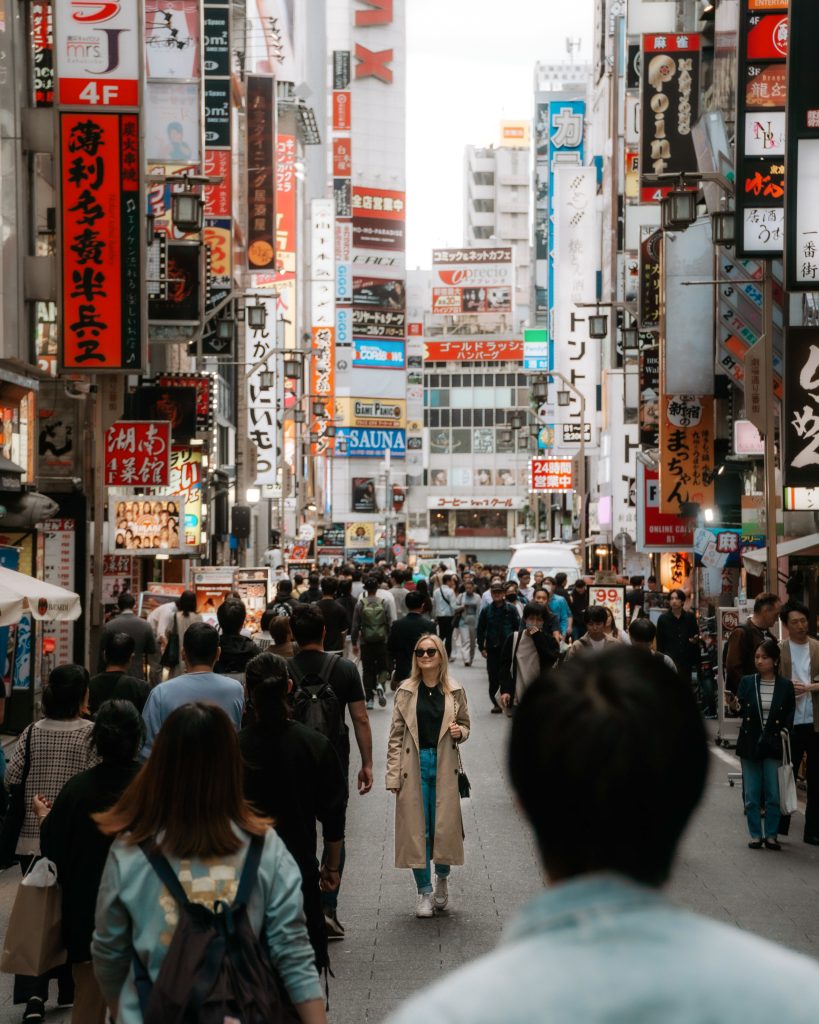
For your first trip to Japan, you might expect sky-high prices everywhere. And yes, flights and accommodation (especially in Tokyo) can add up. But once you’re there, daily expenses are often more reasonable than people think.
Food is where Japan really surprises you. You can eat incredibly well for a very fair price – from ramen shops to sushi counters and convenience store meals that are suspiciously good for what they cost. Public transport is efficient and reasonably priced, and many temples, shrines, and neighbourhoods are free to explore.
Japan becomes expensive if you go heavy on luxury hotels, private transport and high-end dining every night. But if you mix it up, business (or even capsule) hotels, local restaurants, public transport instead of taxis – it’s very manageable.
7. How to get around Japan?
Getting around Japan is quite easy, even if it looks intimidating at first.
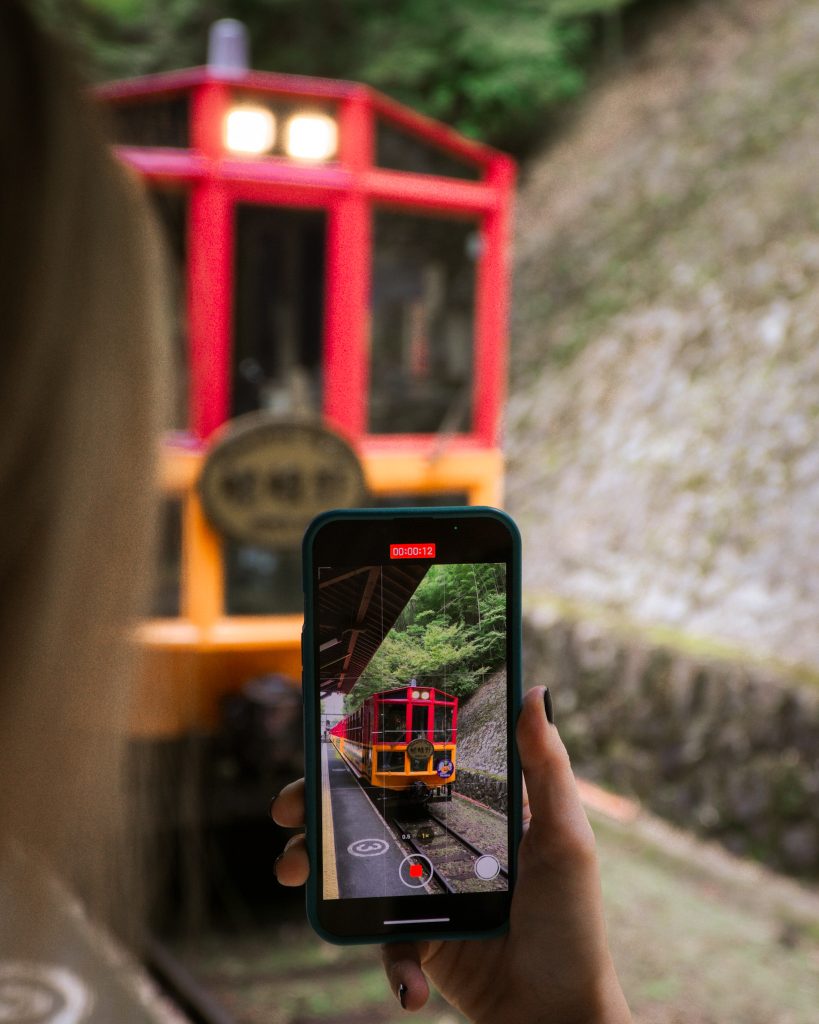
Japan’s transport system is fast, punctual and well organized. The stars of the show are the high-speed trains, known as the Shinkansen (bullet trains). They connect major cities like Tokyo, Kyoto and Osaka in a matter of hours – comfortably and almost always on time. Yes, almost – during my first trip to Japan pretty much every train had a delay. Haha
For longer distances, domestic flights are also an option, especially if you’re heading to Hokkaido or Okinawa. They can be affordable if booked early.
If you’re traveling on a tighter budget, long-distance buses (coaches) run between most major cities and are often cheaper than trains. They take longer, but overnight buses can save you a night of accommodation.
What about the cities?
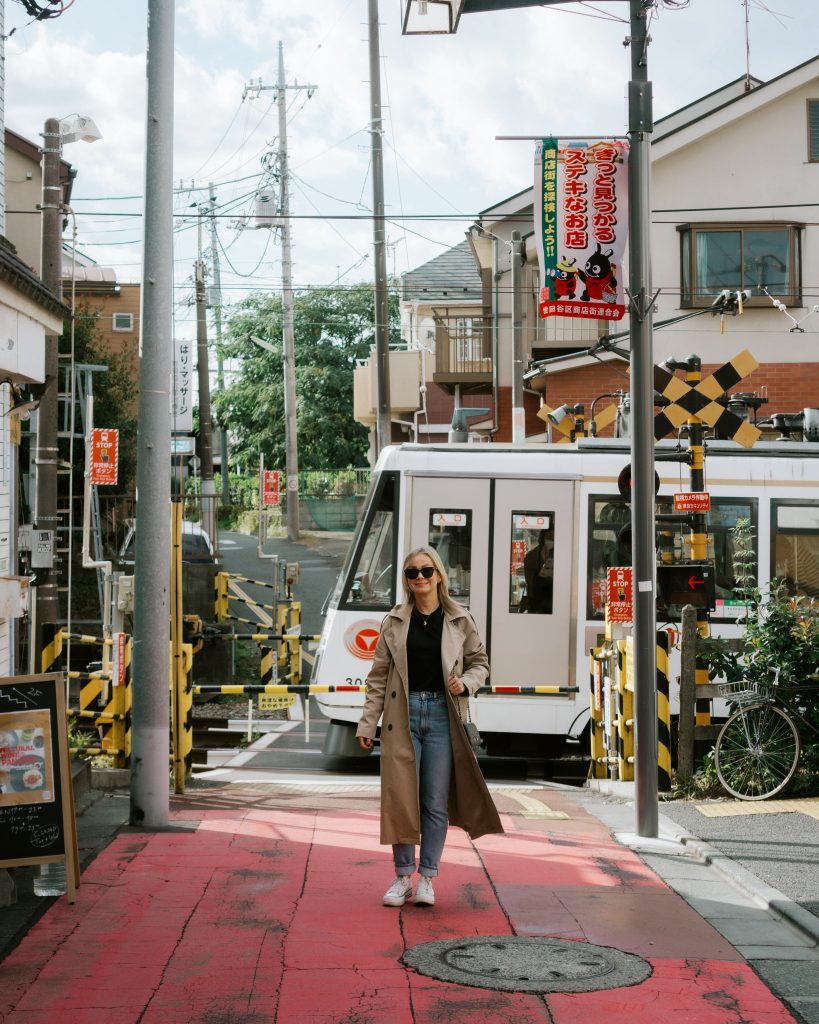
Inside cities, trains, metro and buses are the main way to get around. It may look complex on the map, but once you use it once or twice, it starts making sense…in most places. Tokyo’s metro/train system is kind of confusing, and it’s the only city in the world (so far) where I actually got onto the the wrong metro. So yeah, always double check the train with your destination.
8. How to use trains in Japan?
Using trains on your first trip to Japan might look overwhelming…and I’m not going to lie to you – sometimes it is. But still manageable.
For long distances, you’ll likely use the Shinkansen. Tickets are usually bookable maximum 30 days in advance, and I highly recommend reserving seats early, especially during cherry blossom season, autumn foliage or national holidays. Trains do sell out.
One thing that surprises many first-time visitors is that the Shinkansen system is operated by different regional JR companies. That means there isn’t one universal website for every route. For example, the Tokyo–Kyoto line is managed by a different company than routes heading toward Nagano. So depending on where you’re traveling, the online booking platform may differ.
Here are the links for “main” routes:
- JR East – connecting Tokyo with Nagano, Niigata, and northern Japan, plus Nikko, Hakone, and Narita/Haneda airports.
- JR Central – operates the famous Tokaido Shinkansen, the busiest bullet train line in Japan, connecting Tokyo with Kyoto, Osaka, Nahoya.
- JR West – covers western part of the country, including Osaka, Kyoto, Hiroshima, Fukuoka and Okayama.
- JR Kyushu – handles rail travel on the southern island of Kyushu, with typical routes: Fukuoka → Kumamoto → Kagoshima.
- JR Hokkaido – operates trains across the northern island Hokkaido, connecting: Hakodate → Sapporo → Asahikawa.
To make it simple, a little cheat-sheet for you:
Tokyo → Kyoto / Osaka → JR Central
Tokyo → Nagano / Tohoku / Hakuba area → JR East
Osaka → Hiroshima / western Japan → JR West
9. Is JR rail pass worth it?
That depends…
But first let me explain what JR Pass is.
The Japan Rail Pass (JR Pass) is a special train pass for foreign visitors that gives you unlimited travel on most JR trains, including many Shinkansen (bullet trains), for a fixed number of days. It’s available for 7, 14, or 21 consecutive days and can be used across the JR network all over Japan.
For many years it used to be a no-brainer for travellers, but after a major price increase in 2023, it’s no longer always worth it. The pass only makes financial sense if you’re planning several long-distance train journeys in a short period of time, for example traveling from Hiroshima, to Kyoto/Osaka then Tokyo, then Nagano and so on. Because yeah, the prices are quite high now. 7 day JR Pass costs around $317, 14 day one: a bit more than $500. Per person. I’d say that’s a bit crazy and if you’re planning a “classic” Japan route, or your itinerary is a bit slower, buying individual train tickets will often be cheaper.
That’s why it’s a good idea to roughly plan your route first and then quickly compare the total cost of the tickets with the price of the pass before deciding.
10. What shouldn’t you do on Japans’ public transport?
Continuing with the train topic, it’s worth mentioning that train etiquette in Japan is taken quite seriously. Trains are usually quiet, clean, and surprisingly calm, especially considering how many people use them every day.
The main rule is: not talking on the phone. If your phone rings, most people simply decline the call and text instead. Conversations are fine, but they’re usually kept quiet. Another thing you’ll notice quickly is that people line up neatly when waiting for trains. Platforms often have markings on the ground showing exactly where to stand. Eating is also a bit of a grey area. On local trains, it’s generally avoided. But on long-distance trains like the Shinkansen, eating is completely normal – many people even buy special train bento boxes called ekiben for the journey.
11. Do People Speak English in Japan?
The short answer: sometimes, but don’t expect it everywhere.
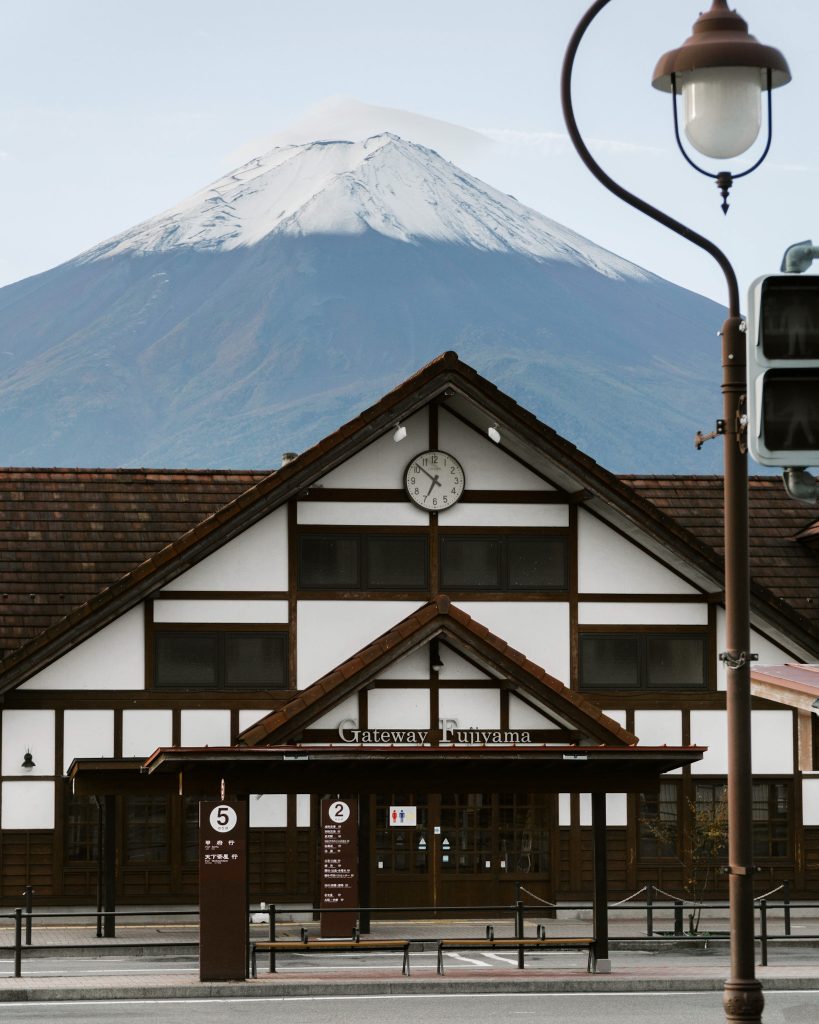
In big cities like Tokyo, Kyoto, or Osaka, many signs at train stations, airports, and tourist attractions are in English, which makes getting around fairly easy. Hotel staff and people working in tourism usually speak at least some English as well. Outside of those situations, though, English levels can be quite limited. Many Japanese people study English in school, but they’re often shy about speaking it.
That said, people are usually helpful. Even if there’s a language barrier, they’ll often try their best to help you out.
12. How to sort out mobile connection in Japan?
The easiest way: eSim.
I remember when I travelled to Japan back in 2023, I actually pre-ordered a SIM card that I had to pick up at a designated counter at the airport. The whole process was fairly straightforward, but I still remember wandering around the terminal trying to find the counter and briefly stressing about whether I had actually ordered it and if they’d have my SIM waiting for me.
In the end, everything worked out perfectly, and this option is still available today. But now that eSIMs aren’t much more expensive than physical SIM cards, I usually go for the eSIM option instead. It’s simply easier – you can set everything up before your trip and have data the moment you land.
If you want an easy way to stay connected in Japan, use my special link and get a Saily eSIM before your trip – it’s quick to set up and works the moment you land.
13. What is IC card and should you get it?
An IC card is a rechargeable smart card you can use to pay for trains, buses, and even some shops. The most common ones are Suica and Pasmo in Tokyo, but almost every region has its own version. You can get one at the airport, train stations or convenience stores and top it up at machines, counters, or via credit card. There’s also a digital version you can use on your phone (for iPhones only).
Should you get it?
You’ll probably read everywhere that you should get an IC card. I say: not necessarily. I’ve travelled to Japan twice without one, and honestly, it wasn’t any more inconvenient than if I had it, especially since every region has its own card. Yes, an IC card can be handy for Tokyo public transport, but you can just as easily use 24-hour, 48-hour tickets, 72-hour tickets, or the Tokyo 5-day pass. So if adding yet another thing to sort out before your first trip to Japan stresses you out, just skip the IC card. You’ll be fine without it.
Now that we’ve covered all the travel basics, let’s quickly go over a few everyday life tips for your first trip to Japan – the little things that can make your trip smoother, easier, and more enjoyable.
First trip to Japan – everyday life tips
Let’s start with something that can be considered a tourist attraction in Japan. It is for me. Haha
14. Convenience Stores Are Elite Tier
If you’re on your first trip to Japan, you’re going to quickly discover that Japanese convenience stores are something else entirely. You can buy pretty much everything: ready-to-eat meals, toiletries, phone chargers, stamps, drinks, souvenirs… the list goes on. I love wandering into different ones just to see what they have – snacks, drinks, little merch sections, even jelly vitamins. It’s like a tiny adventure in every corner store.
A personal hot tip:

Socks from Family Mart – honestly, the best socks in the world. Soft, comfy and cheap. You have to get a pair…or ten.
15. Carry a Small Towel With You
One small thing that might surprise you on your first trip to Japan: many public toilets don’t have paper towels or hand dryers. Instead, people usually carry a small hand towel with them to dry their hands.
It’s a very normal, everyday thing in Japan, and you’ll often see people pull a little towel out of their bag after washing their hands. Don’t worry if you didn’t pack one though – you can easily buy a small towel in any convenience store. They’re usually cheap and pretty cute too.
Speaking of toilets…
Public toilets in Japan are widely available. You’ll find them in metro and train stations, parks, shopping malls, convenience stores, and many tourist areas. And unlike Chinese public toilets (sorry China), they’re also usually very clean and well maintained. So while you might need that little towel to dry your hands, actually finding one is rarely a problem.
16. Queuing Is a Serious Business
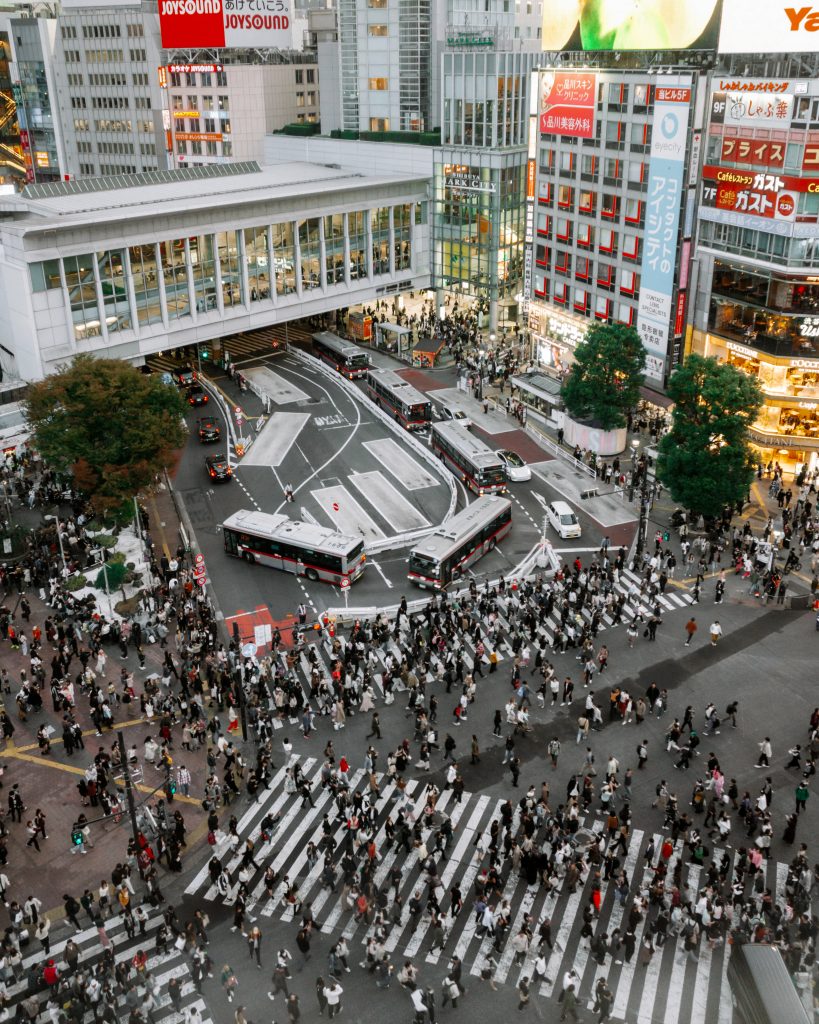
Yes, people take queuing very seriously. Lining up properly is simply part of everyday etiquette. You’ll see neat lines forming everywhere — on train platforms, at bus stops, outside restaurants and of course stores. Often there are markings on the ground showing exactly where to stand while waiting. The rule is simple: if there’s a line, join it and wait your turn. Cutting in front of someone is considered quite rude, so when in doubt, just follow the queue.
17. Trash Bins Are Rare
Another thing that might surprise you on your first trip to Japan is how few trash bins there are in public spaces. You’ll rarely see them on the streets, in parks, or even at train stations. Instead, people usually carry their trash with them until they find a place to dispose of it later, which usually is home. Sometimes you’ll find bins next to convenience stores or inside stations, but they’re not as common as you might expect.
So if you buy a snack or a drink or even worse – a banana, don’t be surprised if you end up holding on to the wrapper for a while. It’s just how things work in Japan.
18. No Tipping in Japan
Well, I don’t think I have to write much about that. It’s pretty clear. But yes, tipping isn’t part of the culture. In restaurants, taxis, hotels, or cafés, you’re not expected to leave extra money. In fact, trying to tip can sometimes confuse people and staff may even politely give the money back. Good service is simply considered part of the job in Japan, not something that requires an additional reward.
19. Onsens – you have to go and Yes, You Have to Be Naked
If I had to name one my favourite thing about Japan it would be onsen… or ramen…ehh, I can’t decide. But let’s talk about onsens now.
Onsens are traditional Japanese hot spring baths, usually fed by natural geothermal water. They’re a big thing in Japanese culture and there’s a bit of a ritual built around them. Before entering, you have to wash yourself thoroughly at the shower stations, and by thoroughly I mean thoroughly – simple rinsing won’t do it. There’re also rules about not dipping your hair in onsen and some restrictions about tattoos. Some onsen don’t allow them, so check that before entering.
And yes, you have to be completely naked. Swimsuits aren’t allowed. No worries, they are divided by gender.
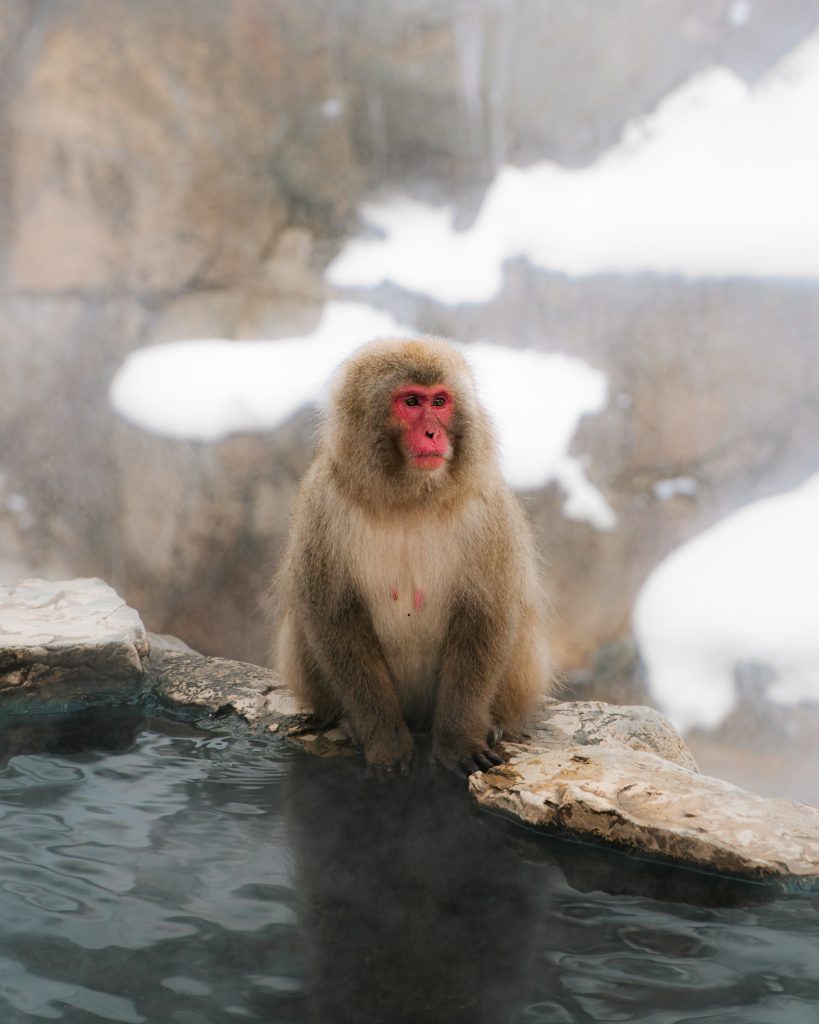
So when planning your first trip to Japan, book at least one hotel with an onsen (they’re quite common) and I promise you, you won’t regret it. Soaking into hot thermal water after a long day of sightseeing is the best thing ever!
20. Smoking Rules Are… Different
Another thing that might catch you off guard is how strict smoking rules can be in Japan. In many cities, smoking on the street is actually prohibited. Instead, smokers are expected to use designated smoking areas, which you’ll find around train stations, office buildings, or inside special smoking rooms. Outside of those zones, lighting up can result in a fine.
Interestingly, some restaurants, bars and even hotels! may still allow smoking indoors. So make sure you’re booking a non-smoking hotel.
21. Toilets Are High-Techy techy
Japan is quite famous for its high-tech toilets, and it’s not a myth – they really are everywhere. Many of them come with all sorts of buttons and functions, from bidets and water pressure controls to sound effects. Some features might feel a bit unusual, others are honestly amazing. My personal favourite? Heated toilet seats. Once you experience that in winter, it’s hard to go back.
They can look a bit intimidating at first, but most public toilets are actually fairly tourist-friendly, with simple icons or English labels. In my case, there was only one moment when I genuinely had no idea how to flush… so naturally I just pressed every button until something happened. It worked eventually.
22. Basic Etiquette Rules You Should Know
Ok, we’re almost done. Just one more thing…few things actually, because after all we’ve covered, there are still a few small etiquette points that are easy to miss on your first trip to Japan:
- shoes off indoors – in many homes, temples, and traditional accommodations (ryokan), you remove your shoes at the entrance. Socks are usually fine, but sometimes slippers are provided.
- pointing – pointing at people is considered rude. If you need to indicate something, gesture with your whole hand instead.
- eating on the go – walking while eating is generally frowned upon, except at festivals or certain street food areas. Most people eat standing still or sitting.
- handling money – when paying at shops or restaurants, it’s polite to place cash in the tray instead of handing it directly to the cashier.
These are small things, but noticing them can make your first trip to Japan feel smoother and help you blend in a little better.
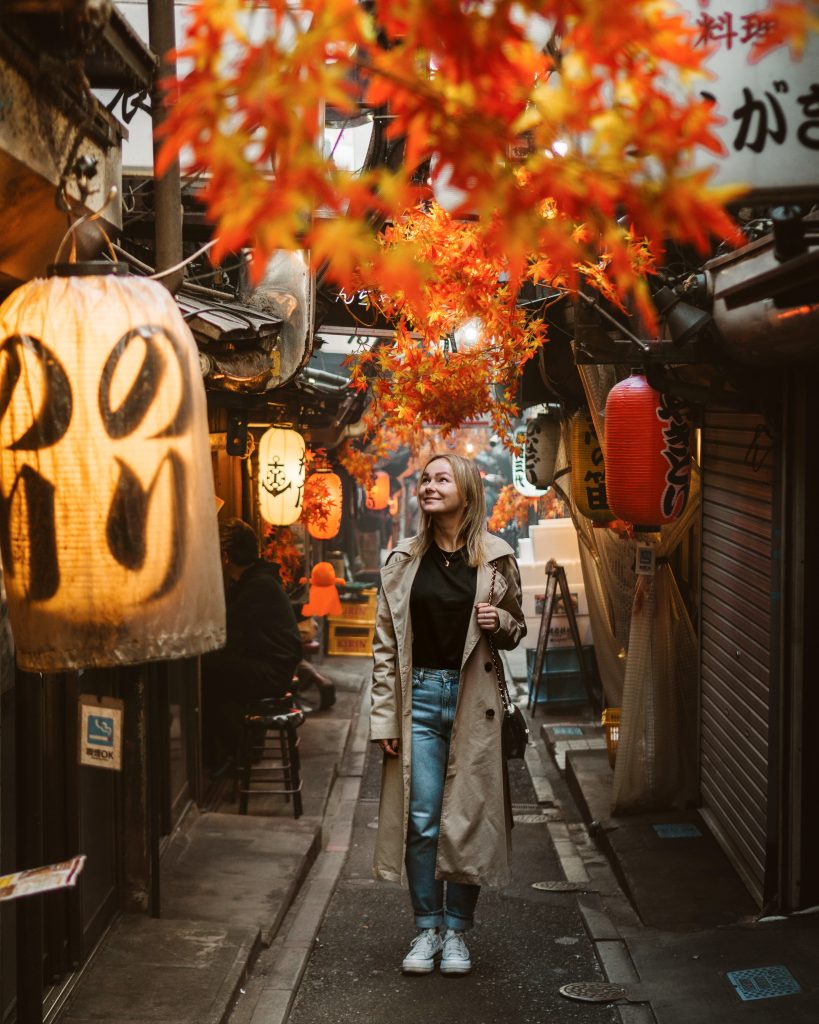
Ok, now we’re really done!
And that’s… a lot, I know. If this is your first trip to Japan, it can feel like there are a million little things to learn before you even land. But honestly, once you’re there, most of it starts making sense pretty quickly. I hope this guide helped you feel a bit more prepared — and maybe a little less overwhelmed. Japan is an incredible place to travel, and figuring things out along the way is part of the fun. So if your trip is coming up soon: enjoy the planning, pack your bags, and get ready. Your first trip to Japan is going to be a good one.
Hi, it’s Aga, the author of this blog. If you found this blog post interesting, entertaining or useful, please think of buying me a virtual coffee to support the site’s running costs. But if you know me, I might actually spend it on coffee. Thanks!


The Visit Japan Web tip is gold! Way better than scrambling with paper forms on the plane.
Totally agree!