Traveling to China can feel exciting, confusing, fascinating – sometimes all at once. One minute you’re amazed by futuristic skylines, high-speed trains and how smoothly everything runs; the next, you’re standing in a public toilet questioning your life choices.
China is incredible, but it also comes with cultural quirks that can genuinely catch you off guard if you’re not expecting them. From smoking and unfamiliar smells to different ideas of personal space and everyday routines, daily life can feel a bit different from what you’re used to. None of this is a reason not to go – it’s simply part of the experience.
In this blog post, I’ll share the things that surprised me while traveling in China – “the good and the bad” – from practical travel tips to cultural differences you don’t usually read about in guidebooks. I’ll mention a few things that can feel challenging at first, but also the genuinely good ones, like how kind and helpful people often were. I’ll also share what you should always carry with you, why it’s important to be in good shape and when you should definitely not sightsee. Simply, all the things I wish someone had mentioned before I arrived.
Wondering about visas, internet, apps and safety? Read my “China for first timers” guide, where you’ll find all this info and many practical tips!
I can guarantee, that after reading my two China blog posts, you’ll be fully prepared – both practically and mentally – for traveling in China, with no major surprises waiting for you on arrival.
Ready? Let’s go!
Things that will surprise you when traveling to China
I’m not here to rank things or decide what’s “good” or “bad” – I’m sure you’ll be able to judge that for yourself. So the order below is completely random – these are simply things I wish I’d known before traveling to China. That said, there is one thing I genuinely hated during my time there, and I’ll be very honest about it.
1. China is less intimidating than people make out
You might imagine China as this big, scary “big brother” that knows your every move. Well, perhaps they do, but you won’t know it. Yes, you’ll notice a visible security presence, especially around tourist attractions and busy public areas, but after a while it simply blends into the background and you stop paying attention to it. The only place where I felt slightly overwhelmed was Tiananmen Square – there are CCTV cameras everywhere, sometimes what feels like ten on a single lamppost, spaced just a few metres apart.
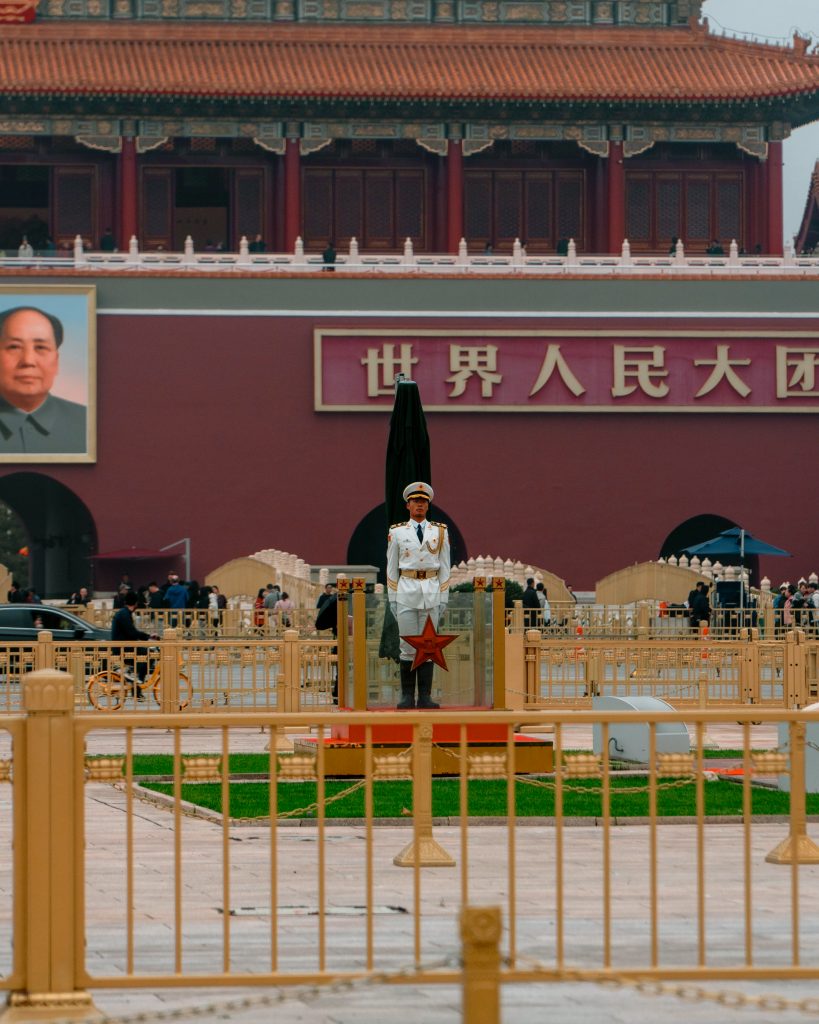
But outside of that, the presence of guards or security staff is more reassuring than anything else. It’s one of the reasons China feels incredibly safe, even when you’re moving around cities late in the day or navigating them as a visitor. Plus, the “guards” are often quite friendly, you don’t have to be afraid to say “hello”.
Speaking of safety, don’t forget travel insurance. And not just any kind — if you’re traveling to China, SafetyWing is an easy and reliable option! Travel smart, get insured!
I recommend SafetyWing

2. Yes, there is smog
If I’m being completely honest, worrying about smog didn’t even crack my top ten concerns before traveling to China. I do realise though, that it can be a real worry for some people. And yes, air pollution is still a thing in certain cities, especially during winter months or on particularly bad days. China has made huge improvements over the years, but air quality can vary a lot depending on the city, the season, and even the weather that week. Personally, the air felt pretty good to me, but I do currently live in Southeast Asia, so my baseline might be a little different.
If air quality is something you’re sensitive to or anxious about, wearing a mask is always an easy option and most people won’t think twice about it.
Useful tip:
Speaking of masks, you might need them in two other situations. Firstly, I really recommend wearing a mask on the metro – there are usually a lot of people who…don’t always cover their mouths when they cough, so getting sick is quite easy. And you definitely don’t want that during your awesome holiday in China.
Second situation where you might need masks are public toilets, because…
3. Public toilets stink
There’s no way of saying it more gently – yes, they do stink.
Public toilets in China are… an experience. Usually a very smelly one. Obviously, it depends on where you are – Shanghai was actually fine (Beijing wasn’t), but once you leave this big, polished city, your nose is in for a real cultural immersion.
Remember when at the beginning of this blog post I told you that you need to be in a good shape to travel through China? Well… this is why.
If you want to pee in a public toilet, you’ll almost certainly have to squat – they do have squat toilets. Which sounds doable until you’re wearing a coat, a backpack, wide jeans and trying not to let anything touch anything. It’s annoying, slightly stressful and a full lower-body workout you didn’t ask for. I’ve travelled through quite a few countries, but honestly, Chinese public toilets were the worst I’ve encountered.
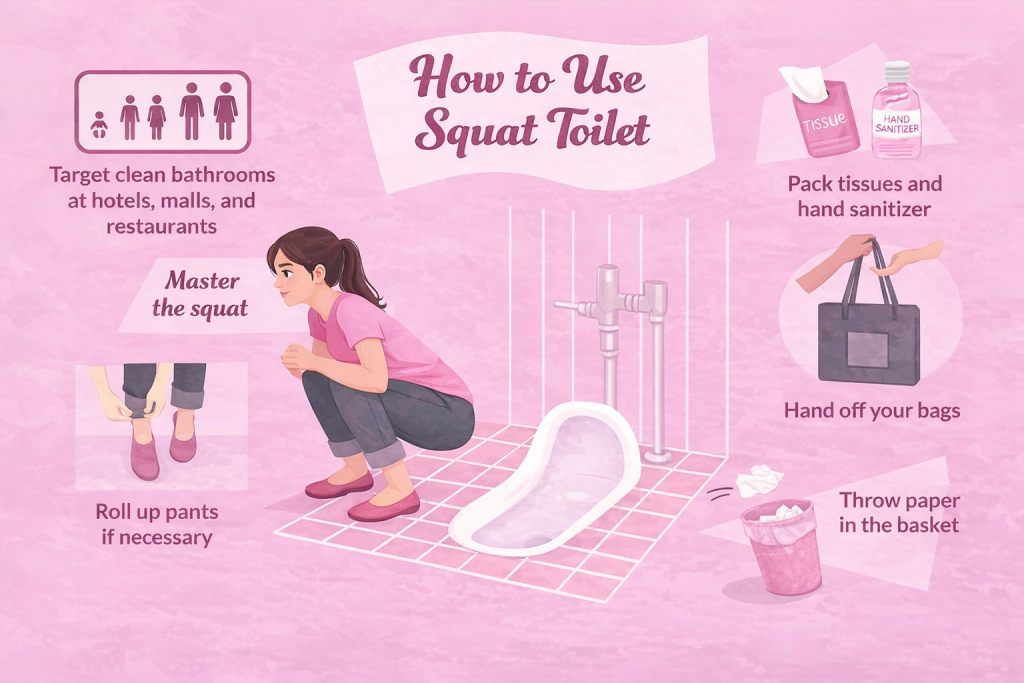
That said… credit where it’s due: at least they were there when I needed them. And in moments like that, availability really is everything.
Useful tip!
There are some essential things that you should carry with you: tissues, hand sanitizer and maybe even a little hand soap. Soap is also hard to find.
4. People are nice
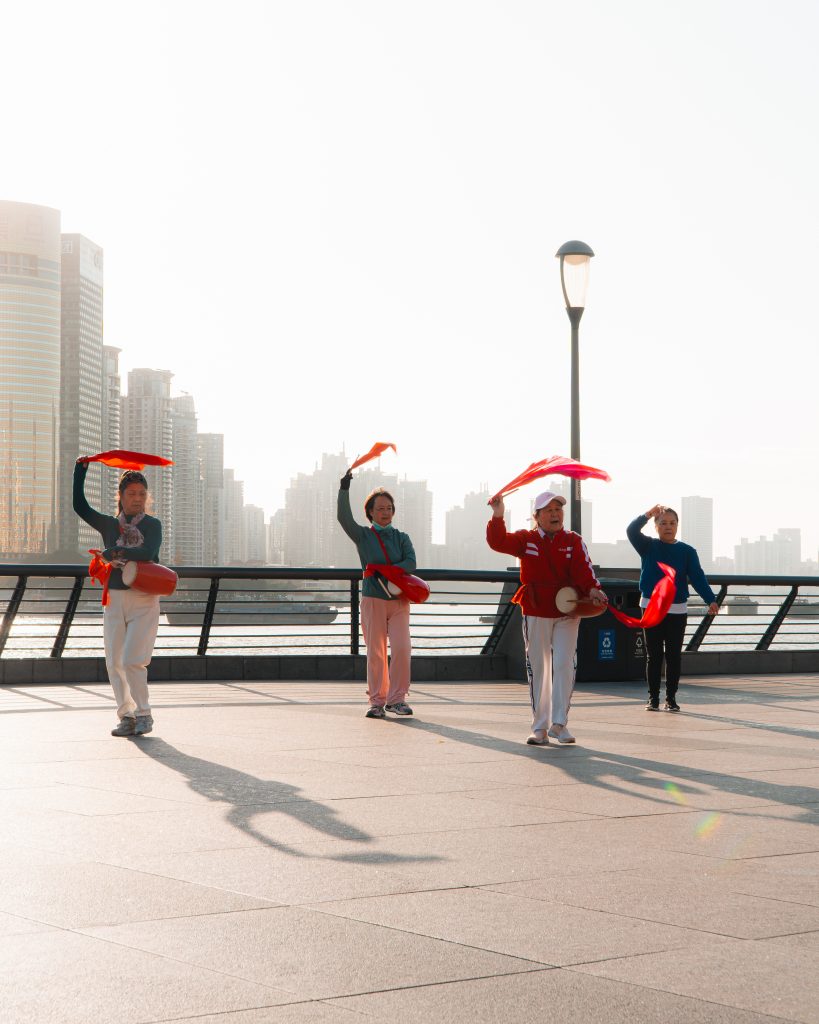
I wanted to write here that people were nicer than I expected – but now that I think about it, I’m not even sure what I expected in the first place. I guess there’s this stereotype that Chinese people are socially reserved or a bit cold. In reality, most of my interactions were quite the opposite. People were friendly, welcoming, and genuinely helpful. You might even end up posing for a few photos and being called “beautiful,” which is always nice, isn’t it? And sure, English skills were often not there, but that never really got in the way of having a few warm, friendly interactions.
5. Vegetarian and vegan food is not that hard to find
One of my biggest worries before going to China was food. I was genuinely convinced I’d just… starve for two weeks because there would be no vegan food for me. Turns out, it was quite the opposite. I had some of the best meals of my life there. Mapo tofu!!! I loved it so much I literally tattooed it on my arm.
Sure, sometimes you do have to think a bit ahead – not plan your entire day around food, but at least have a rough idea of where and what you want to eat. For me personally, that’s never an issue. I love food, I value a good, nutritious meal and I genuinely enjoy trying new things, so it kind of comes naturally.
The places you might be looking for as a vegan or vegetarian are those big vegetarian buffets. You pay very little money for all you can eat – and trust me, they take that very literally. Starters, mains, desserts, and however many servings you want. Absolute heaven.
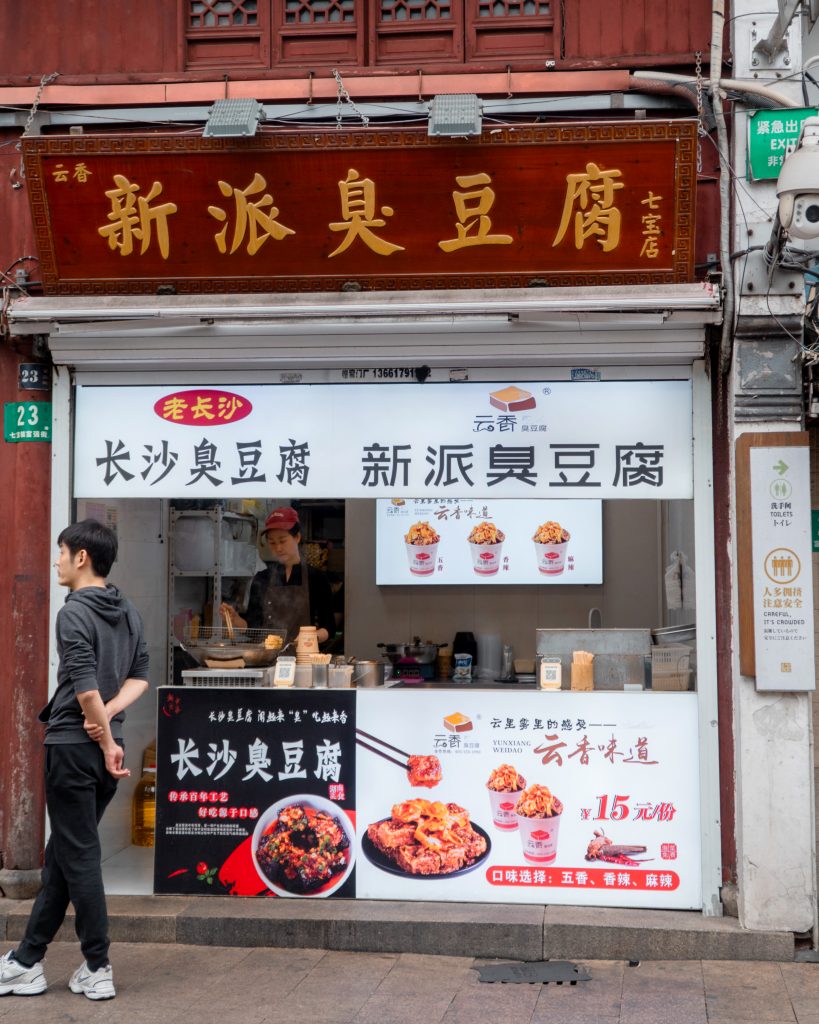
So to sum up this rambling, you’ll definitely not starve as a vegan in China. If you want some tips or cool places, follow @veganinchina on Instagram.
6. No sightseeing during weekends
I already told you what time of year you should avoid travelling to China. Now let me add the time of the week… and even the day.
Because I love sightseeing early in the morning, I thought visiting the Temple of Heaven in Beijing on a Saturday at 8 am would be a brilliant idea. Imagine my consternation when I arrived and realised it was already pretty much packed. Okay, “packed” might be a slight exaggeration – the place is huge – but there were definitely way too many people (and way too many coaches) for my liking.
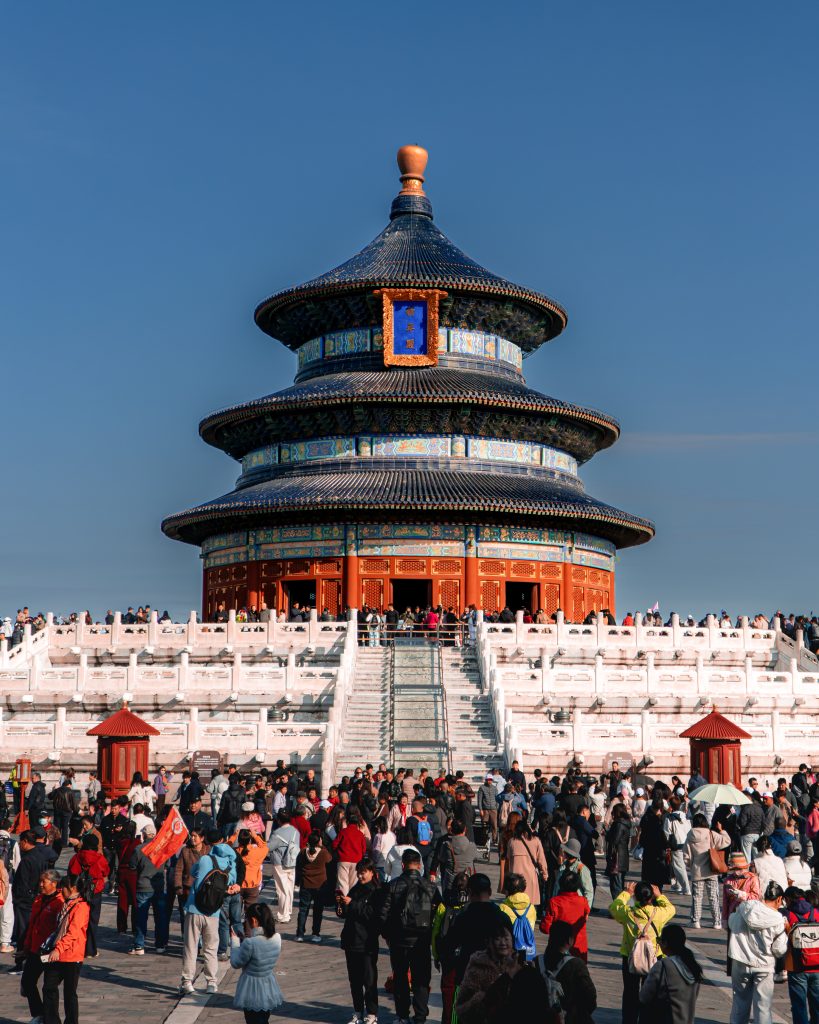
That’s when I learned that weekends are generally not great for sightseeing in China. While the famous “996” work schedule (9 am–9 pm, six days a week) is quite common, many people do have weekends off, and they use that time to go on trips and organised tours.
And if you’re hoping for quieter moments during the day – my beloved early mornings might not help either. From my own observations, and from my friends’ experiences, lunchtime seems to be the calmest time. For fairly obvious reasons: people are busy eating.
Useful tip:
It was especially noticeable at the Forbidden City. Around noon, a lot of people were already leaving. So if you’re hoping for a quieter visit, booking your tickets for around that time might actually be your best bet.

Speaking of people…
7. China is not that crowded
Yes, there are a lot of people in China, but honestly, not more than in other big cities like Tokyo or Bangkok. It’s nowhere near as overwhelmingly crowded as you might imagine. Sure, major tourist attractions can get busy, but as I’ve already mentioned, timing matters. Go around lunchtime and you can actually enjoy a much quieter visit.
As for everyday life – walking the streets or using public transport – I didn’t find the crowds any more intimidating than in any other large city. If you’ve survived a rush hour in Tokyo or a busy day in Bangkok, you’ll be absolutely fine in China.

And speaking of public transport…
8. You’ll have your bag scanned before entering the metro system
One thing that might surprise you at first is the security checks before entering metro stations. In China, your bags are scanned every single time you enter the metro – not just big suitcases, but small bags and backpacks too. And it’s not for special occasions or peak times; it’s simply the norm.
The process is usually quick and efficient, but it does take a moment to get used to, especially if you’re coming from places where you just tap in and go. After a few days, though, it becomes part of the routine – scan your bag, walk through, hop on the train, repeat.
Useful tip:
You don’t really need to buy tickets for public transport. I mean, of course you do – but you can do it in the greatest app in the world: Alipay. I didn’t actually realize that at first and spent the beginning of my trip buying physical tickets, occasionally watching my card get rejected by the machine.
Discovering yet another magical function of Alipay was a massive time-saver. You simply scan, pay and go. It’s city-specific, so you need to select the city you’re in and then change it when you travel elsewhere, but once it’s set up, public transport becomes completely painless.
If you want to know what other apps are essential for your China trip, check out my “China for first timers” blog post. You’ll find there all the useful info for first time travellers.
Useful tip 2:
Try using city bikes in Chinese cities. If you asked me what my favourite thing about China was, I’d easily say: cycling around. It did take me a few days to fully convince myself that I wouldn’t die on the road – streets do get busy – but bike lanes and the sheer accessibility of city bikes quickly won me over. They’re everywhere.
The price is incredibly affordable and renting one is easy – just a few clicks in Alipay and you’re good to go. All of that combined made cycling the fastest and easiest way to travel short distances, and honestly, one of the most enjoyable parts of my trip.

Speaking of prices…
9. China is inexpensive
Overall, China is not that expensive to travel around. The biggest costs will usually be accommodation – and Trip.com can be really helpful for finding good, often cheaper options – and high-speed trains. You can also buy train tickets directly through Trip.com, which makes planning intercity travel much easier.
That said, once you’re there, everyday expenses are very reasonable. Public transport is cheap, food is affordable and it’s easy to eat well without constantly checking your budget. All things considered, China is a surprisingly good value destination.
10. Taxis are cheap too
Well, ok – “cheap” is relative. So let me put it this way: taxis in China are a bit more expensive than in Southeast Asia, but definitely much cheaper than in most Western countries. For getting around the city, they’re still very reasonably priced and easy to use.
You can order taxis through Didi, which is basically China’s version of Uber – and yes, of course, it lives inside Alipay. Ordering a ride is straightforward, prices are transparent and it’s a convenient option when you’re tired or just don’t feel like navigating public transport.
One small warning though:
Taxis often have… a distinct smell. Let’s call it a strong, unwashed-for-months kind of vibe, sometimes very overwhelming. I quickly learned to carry a lavender hand sanitiser and would discreetly spray my hands whenever the smell became a bit too much. So that’s the second use for your hand sanitizer! Don’t forget to pack it/buy it and carry with you when travelling to China.
Super useful tip!
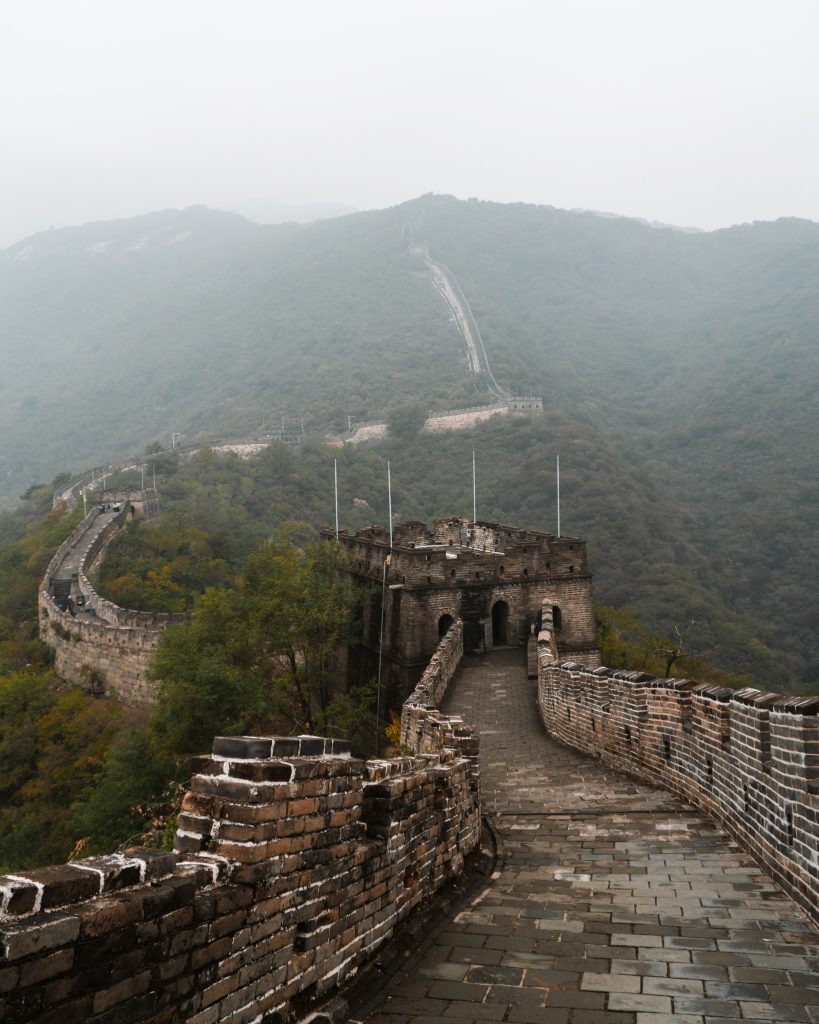
Didi was also incredibly useful when going to see the Great Wall. After checking way too many options on how to get there and getting a bit overwhelmed – an organised tour was absolutely not an option – my friend Kirsten simply said: just go with a taxi.
So that’s exactly what I did. I scheduled a ride on Didi the day before, it arrived right on time and in less than 90 minutes I was there. Getting back was just as easy – no scheduling needed, plenty of taxis waiting nearby. And honestly? I think I paid around $25 on the way there and about $18 on the way back.
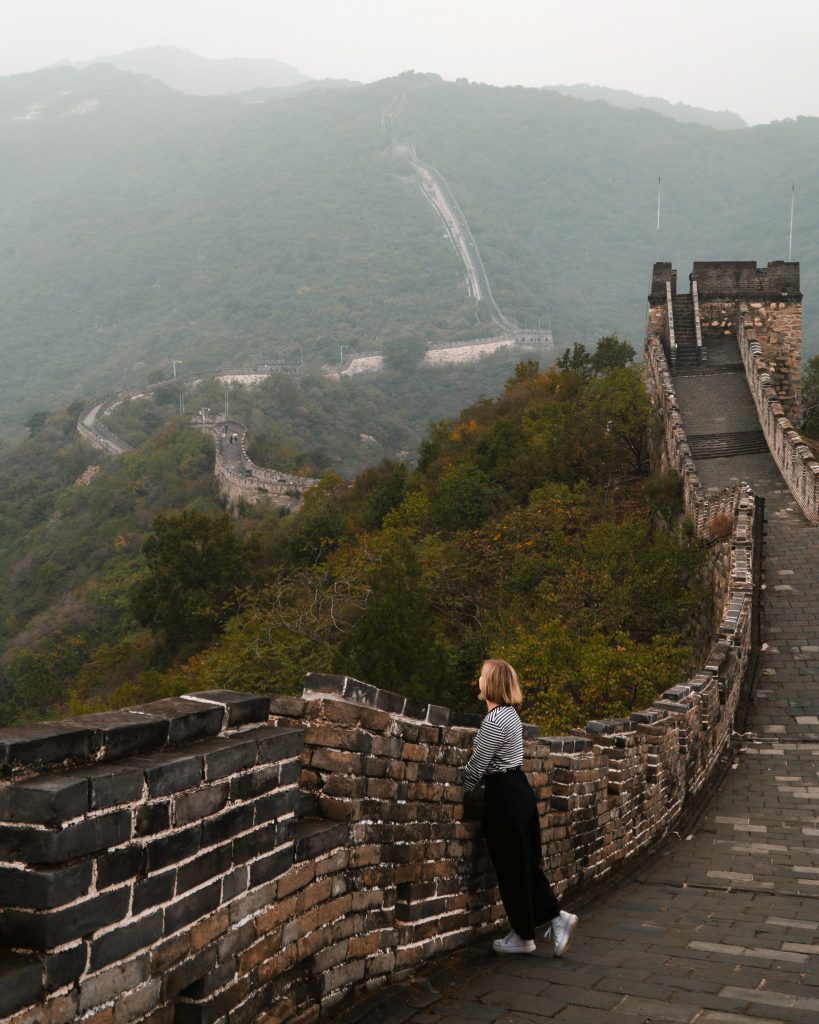
Yep, it really was that affordable and it meant I could see the Great Wall on my own terms, without a tour, a flag-waving guide or a fixed timetable.
Which brings me to the next tip…
11. You can “do China” yourself
By that I mean, that you can absolutely travel around China on your own, without organized tours. Yes, it does require a bit more effort, some translating, some figuring things out on the go and maybe accepting that not everything will always go perfectly. But once you get into it, travelling around China is really no different from travelling in any other country. Especially with the right apps (find out what they are), a reliable eSIM and a bit of preparation.
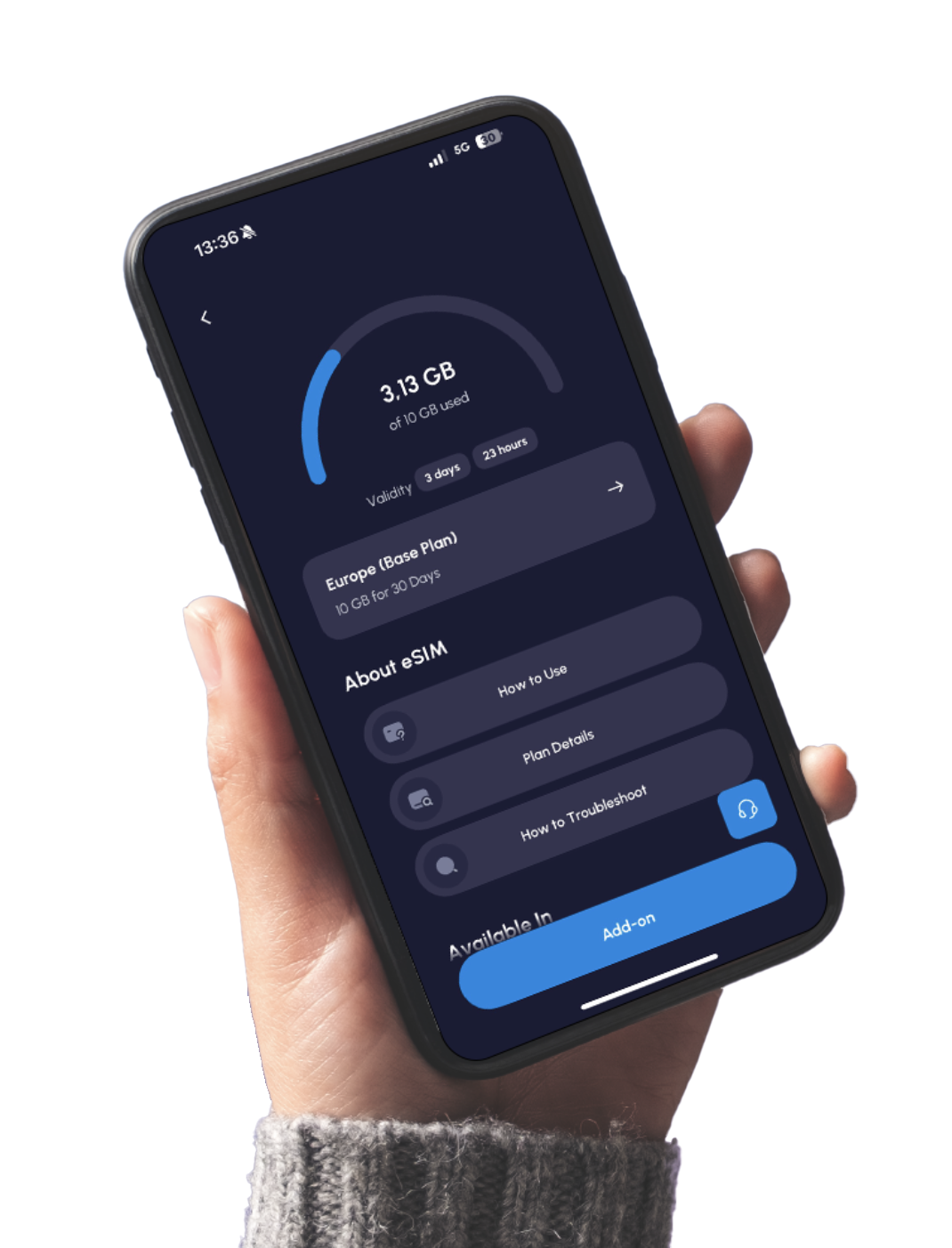
I used Nomad eSIM when travelling around China and it never let me down! Get your eSIM using my special link and stay connected when travelling to China!

I did everything independently – well, with my boyfriend – and there were no major missteps or huge mistakes along the way. The only time I ended up on an organised tour was for the Forbidden City, and that was purely because I didn’t realise tickets need to be booked at least a week in advance. Lesson learned.
Useful tip!
So remember, buy tickets to Forbidden City at least 7 days in advance! You can get them on WeChat or by using this link. And what time is the best? We already learned that: around noon.
12. You will see and (even worse) hear some spitting
Yes… Chinese people spit. A lot. Usually there’s a very dramatic throat-clearing first, and then – well – the deed is done. And it’s not just men. Women do it too. Older ladies especially seem to have fully embraced it. I won’t lie, I found it quite disgusting – though still not the worst thing about China for me. I’ll get to that later.
Ironically, I was a bit sick during my trip and constantly felt the urge to clear my throat as well, so in that sense, I blended in perfectly. The only difference is that I stopped at the throat-clearing part. No spitting from me, thank you very much.
13. You can make noodles in the train
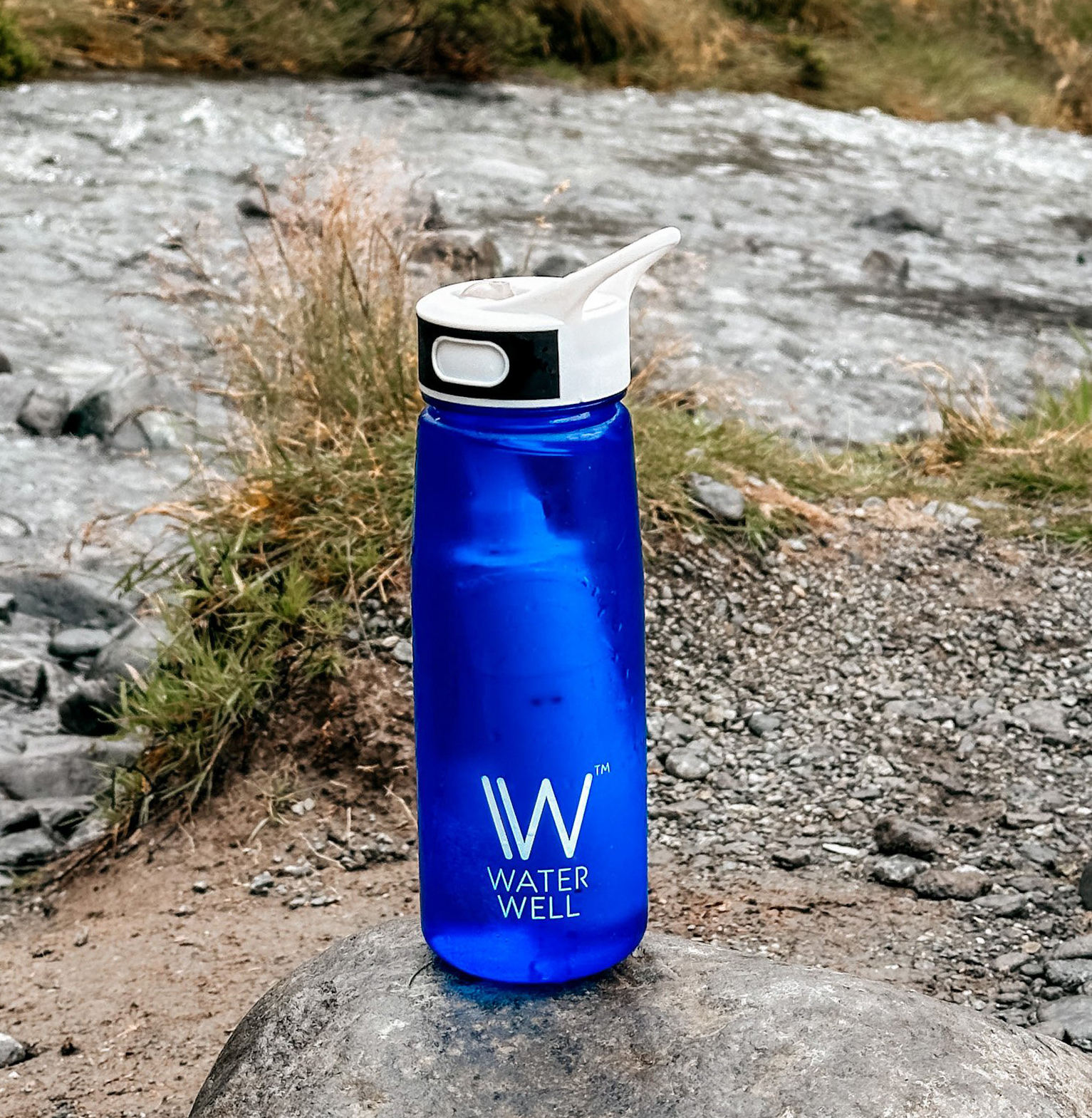
Drinking water – or rather water fountains and dispensers – are available in quite a few places in China, especially in spots like train stations, malls, some tourist attractions. Many locals carry a reusable water bottle with them, or a thermos.
You don’t want to stand out! Get your own reusable water bottle! With filter – for extra protection! WaterWell bottle is my number one travel accessory an I don’t go anywhere without it!

And… maybe this isn’t the most useful piece of information… but it kind of is. On high-speed trains, there’s free cold and hot water available in every carriage. Which means you can buy instant noodles, pour hot water over them, and enjoy a surprisingly decent train meal while watching the scenery go by. Not glamorous, but extremely practical – and oddly comforting.
14. You don’t need to tip
Tipping just isn’t part of the culture in most everyday situations, so restaurant servers, taxi drivers and hotel staff generally don’t expect it and it might even cause confusion if you offer it.
Because almost everything you pay for is handled through Alipay or similar apps, there’s really no obvious way or social custom to tip anyway. Cash isn’t as common in China, so you’re kind of off the hook.
In some very specific cases – like luxury hotels, high-end western restaurants, or with personal tour guides – a small tip or service charge might occur, but for the most part tipping isn’t necessary and a simple “xièxiè” (thank you) goes a long way.
Ok, we’re almost done. This time, I saved the worst for last…
15. People in China smoke…a lot!
I said I’d share the most disgusting thing about China for me, and I promised to be real. So here it is: smoking. And not just casual smoking on the street. People smoke a lot and the cigarettes are incredibly strong and heavy-smelling, the kind that linger in the air long after the person is gone.
What bothered me most was how normal it seemed in places where you really wouldn’t expect it: taxis, train stations, hotel corridors, hotel lobbies… and probably hotel rooms too, judging by the smell that sometimes crept in through the air conditioning. The most unexpected one was a spa, where my boyfriend once found a cigarette butt in the pool.
“No smoking” signs didn’t seem to carry much weight either. It often felt like if someone wanted to smoke, there was no rule, sign, or social cue strong enough to stop them. For me personally, this was by far the hardest thing to deal with in China, more than crowds, noise or any other cultural differences.
And that’s a wrap!
I hope you’ll find all of these tips useful and that they’ll make your own traveling to China experience a little easier, smoother and maybe even less intimidating. Together with my other post, China for First Timers, this should give you a pretty solid overview of what to expect and how to prepare. Between the apps, practical advice and a few honest observations, this really is everything I wish I’d known before traveling to China myself.
Hi, it’s Aga, the author of this blog. If you found this blog post interesting, entertaining or useful, please think of buying me a virtual coffee to support the site’s running costs. But if you know me, I might actually spend it on coffee. Thanks!
Pin for later!


[…] and train stations, parks, shopping malls, convenience stores, and many tourist areas. And unlike Chinese public toilets (sorry China), they’re also usually very clean and well maintained. So while you might need that […]