So you’re planning your first time in Poland this year? Great choice! And I’m not only saying that because I’m Polish. I’m saying that because Poland kind of has it all. Charming old towns of Kraków or Gdańsk, the rich history of Warsaw, the long and sandy coastline along the Baltic Sea and breathtaking landscapes of the Tatra Mountains – Poland can satisfy every traveller’s needs. Let’s not forget about delicious Polish cuisine and the (usually) nice and welcoming people.

But beyond its beauty, Poland carries a complex and often difficult history – one that has shaped its resilient spirit, rich traditions and deep sense of national pride.
So before you pack your bags, there are a few useful things you should know to make your trip as smooth and enjoyable as possible.
As a Pole, I want to give you an insider’s take on what to expect: the unspoken rules, cultural quirks, and essential tips that help you avoid any awkward tourist moments. And since I haven’t been living in Poland for the past 10 years, I’ve had a chance to look at Poland and Polish people with a fresh eye, almost like a tourist.
Just to clarify, I didn’t leave Poland for any particular reason. I simply wanted to try living abroad and travel. And somehow 10 years have passed…time flies.
But, enough about me. I’m here to help you. So let’s dive into…
useful things to know before your first time in Poland!
1. It’s not cold in Poland
Ok, it is cold during winter. The same as in Germany, Denmark, Czech Republic or other neighbouring countries. But Poland’s climate is moderate, which means that yes, you’ll get a chilly winter, but you’ll also get a hot summer. Now, “thanks to” global warming, even too hot. With spring and autumn being quite warm and pleasant.
So if you’re expecting snow, frost and polar bears all year round, you won’t find them in Poland.
When is the best time to go?
Unless you want to go skiing, I’d definitely stick to warmer months. Late spring/early summer (May/June) and then late summer/early autumn (late August/October) should be perfect. If you’re coming in July/August, make sure your accommodation has air conditioning. The last few summers were very hot.
2. Do you need a visa?
That of course depends on the country you’re from, but entering Poland is pretty straightforward. Poland is in the Schengen Area, so if you’re from the EU, you can obviously enter with just an ID card and stay as long as you like. Visitors from the U.S., Canada, the UK, and many other countries can stay visa-free for up to 90 days within a 180-day period. However, if you’re from a country that requires a visa, you’ll need to apply for a Schengen visa before your trip. It’s always a good idea to check the latest entry requirements before you travel to make sure everything goes smoothly!
3. You’ll pay in zloty, not in Euro
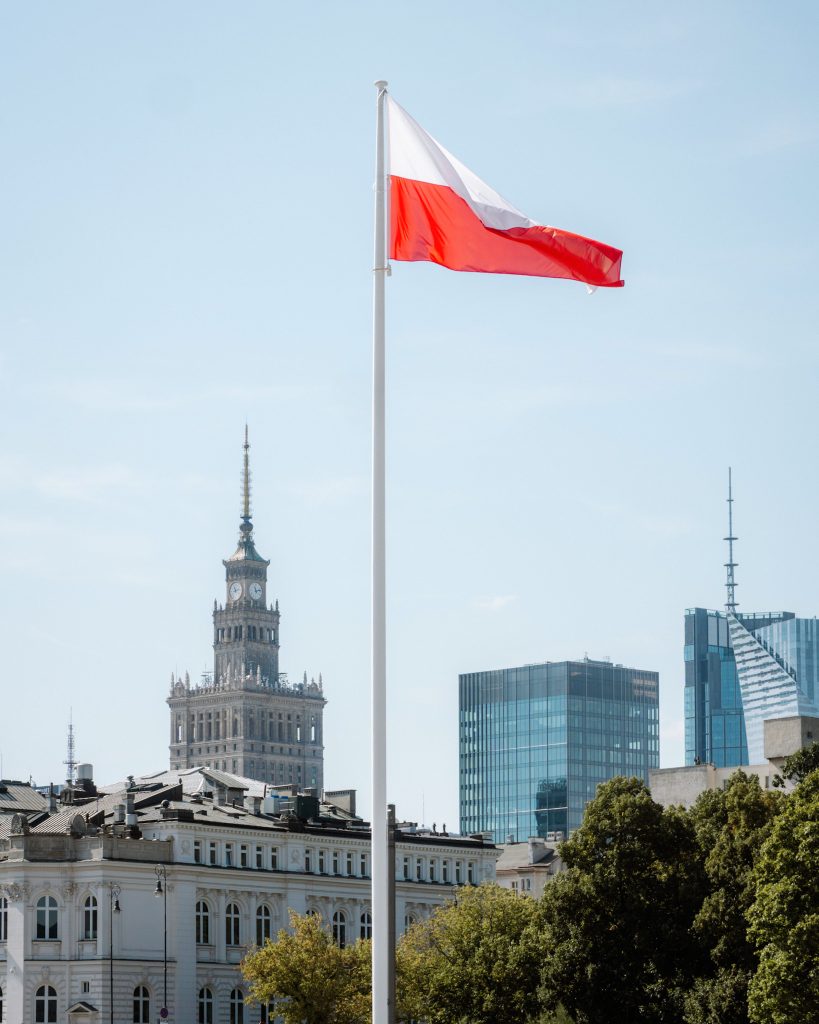
Despite being in the European Union, Poland doesn’t use the euro. While many European countries have switched to the euro, Poland still sticks with its own currency: the Polish złoty (PLN). And with the złoty keeping the economy stable (and many Poles preferring to keep it that way), there will be no switch any time soon.
So, if this is your first time in Poland, don’t bring euros – bring złoty!
Quick tip
You may notice the special letter “ł” in the word złoty. It’s pronounced like a “w” in English so if you’re saying it out loud, it should sound like zw-oty
But actually you don’t have to bring any currency. Just get a Wise Card, exchange your money within seconds and simply use contactless. You can easily pay by card in Poland, almost everywhere.
And speaking of money…
4. Poland is not as cheap as you might think
Poland has long been labeled a budget-friendly destination, but it’s not as cheap as many people think! In recent years, due to the world’s unstable economy, life has become more expensive. The days when, as a tourist you could live like royalty on pocket change are definitely over.
Big cities like Warsaw, Kraków, and Gdańsk have seen rising prices, especially for rent, dining out and entertainment. A coffee in a trendy café? That’ll cost you nearly as much as in Berlin. A nice dinner? Expect Western European prices in the city centres.
Of course, Poland is still more affordable than London or Paris, and you can find great deals if you venture off the beaten path. But if you’re picturing luxury for pennies, you might be in for a surprise!
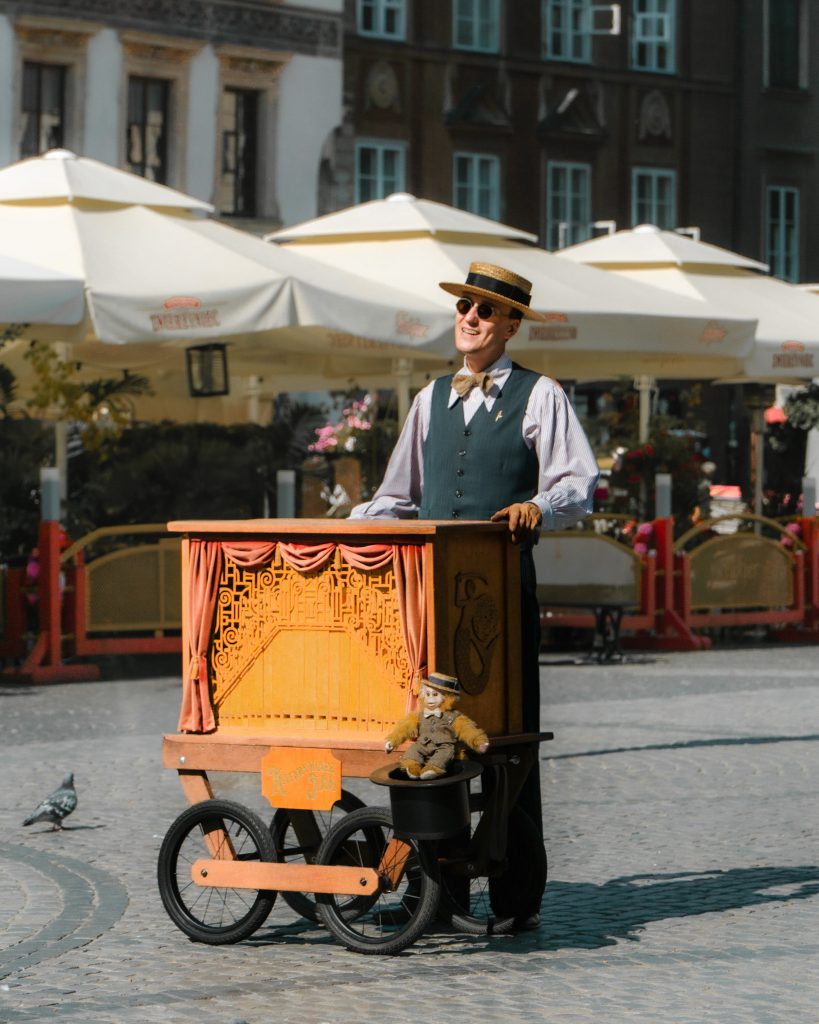
“Western” prices, in an “eastern” country? No!/Definitely not.
5. DOn’t call Polish people Eastern Europeans
Yeah, that really grind my gears – being called an Eastern European, but I don’t really know why…Or maybe I do.
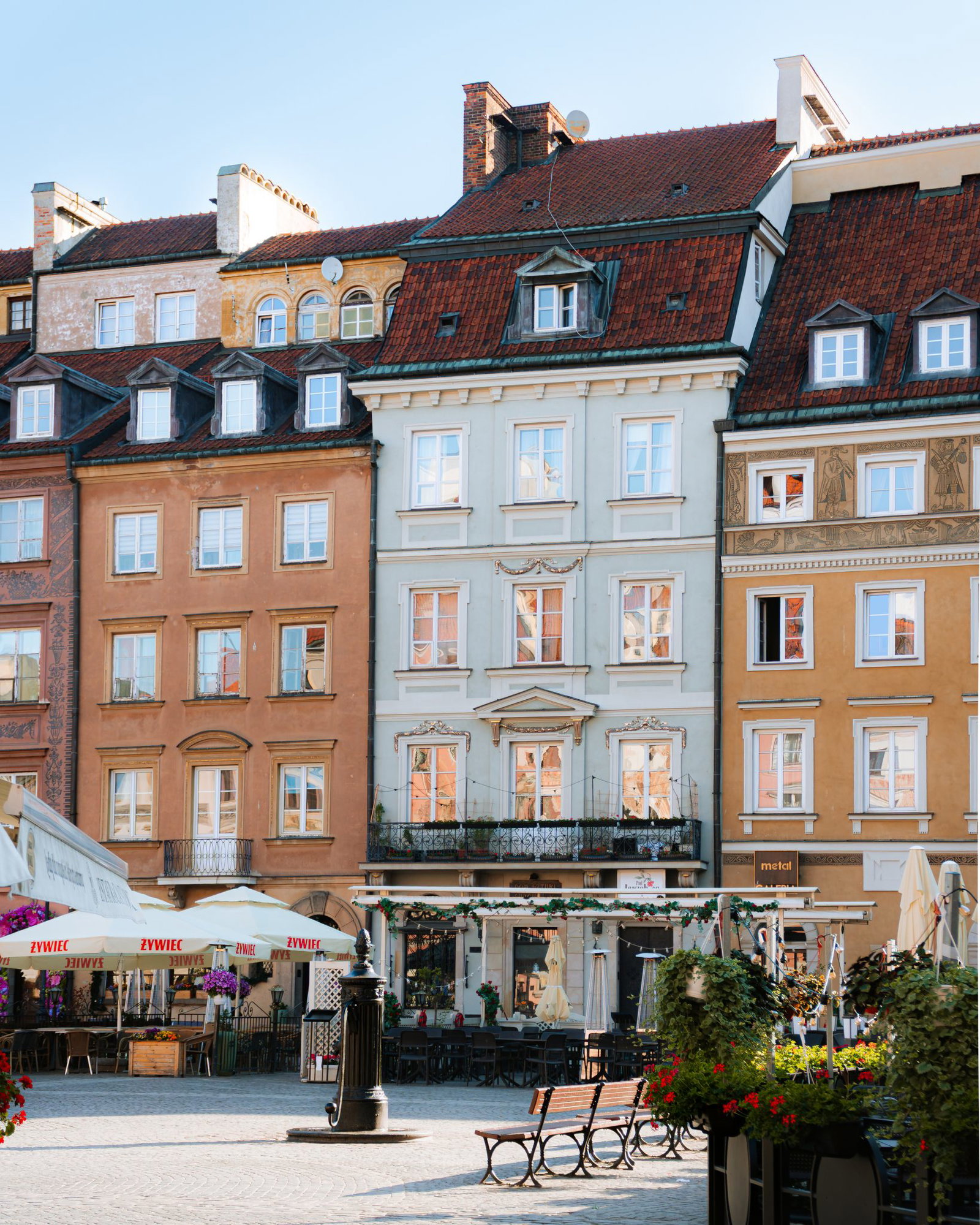
Firstly, Poland is located in Central Europe. When you look at the map, there it is – right in the middle of the continent.
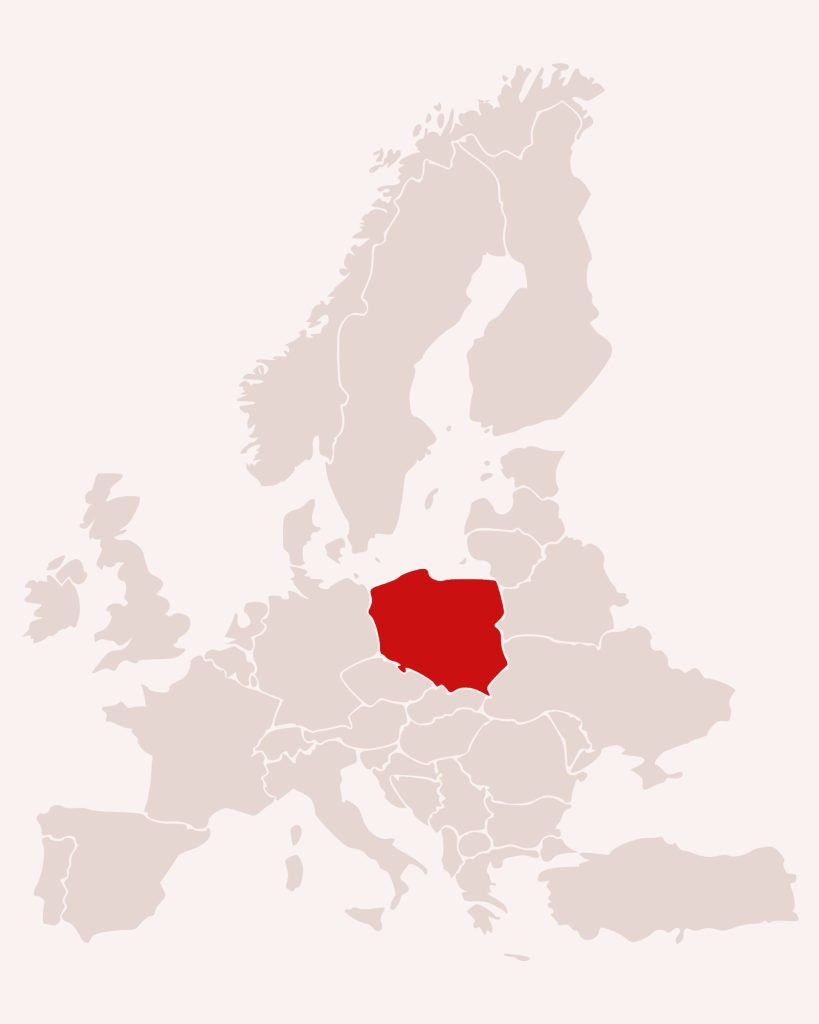
But beyond geography, Poland’s history has been closely tied to Central European affairs, from the Polish-Lithuanian Commonwealth to its deep connections with Western influences in architecture, philosophy, and politics. The Eastern European label often stems from Cold War era divisions when the Iron Curtain prevented Poland from developing as quickly as its western neighbours.
But the main reason we don’t like being called Eastern Europeans (at least for me) is that we simply don’t want to be recognized as and compared to Russians. Because POLAND IS NOT Russia.
So if you want to impress a Polish person and avoid an eye roll, just remember: Poland = Central Europe.
6. People do speak English
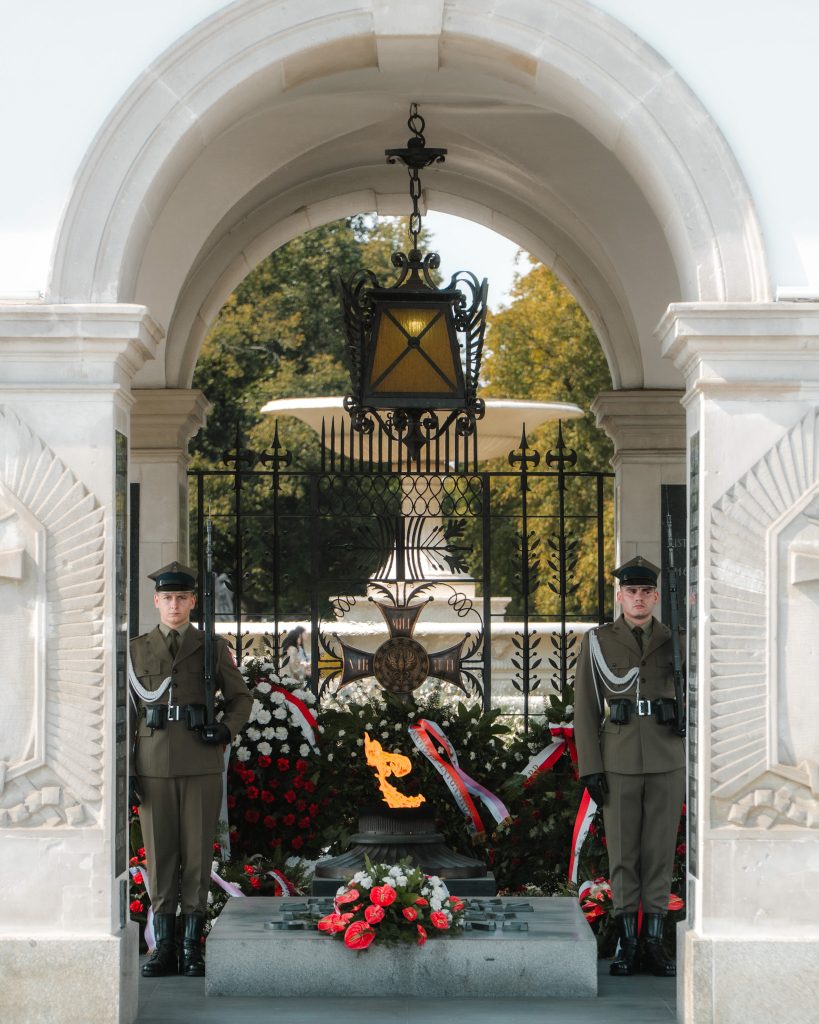
Polish people are generally great at English, especially the younger generation and those living in bigger cities. So if you’re visiting all the tourists spots, you’ll be able to easily communicate in English.
The only thing that I noticed while travelling though Poland with my English boyfriend is that the public information (at smaller trains stations for example) and signposts are not often in English. For the most part, you can still get by using Google maps, but sometimes finding the right stop or train platform can be annoying.

But even though people speak English, it won’t hurt to…
7. Learn a few Polish words
The Polish language is hard, so no-one will expect you to speak it. But if you want to earn a few extra points, it’d be great to know basic Polish words, like:
- Dziękuję – jen-KOO-yeh – thank you.
- Proszę – PROH-sheh – in general, it means “please”, but it can mean much more. Proszę can be used as: there you go or here you are – when handing something requested; as go ahead when you let someone go ahead of you – in a doorway, etc, as not at all, no problem – when someone says ‘thank you’ and you answer “proszę”; and a few more, but you get the idea.
- Dzień dobry – jane DOH-brih – good morning.
- Do widzenia – doh vee-DZEN-ya – goodbye.
- Cześć – cheshch – hello.
- Przepraszam – psheh-PRAH-shahm – excuse me, I’m sorry.
- Tak – tahk – yes.
- Nie – nyeh – nie.
If you’re in a situation where someone doesn’t speak English, you can say:
- Nie mówię po polsku – nyeh MOO-vyeh poh pohl-skoo – I don’t speak Polish.
- Nie rozumiem – nyeh roh-ZOO-myem – I don’t understand.
And perhaps you know this one:
- Na zdrowie – nah ZDROH-vyeh – cheers, bless you.
Ok, now that the basic things to know before your first time in Poland are covered…
8. Where do you even visit?
Poland is packed with incredible places to visit, whether you’re into history, nature, or just great food and vibes. Here are some top spots to check out:
- Kraków – that’s probably the first place that would be recommended to you when you start researching Poland. And yes, from a touristy point of view it’s definitely worth visiting and I’ll encourage you do it. It just screams history. With a one of a kind Main Square and Old Town, with Wawel Castle – the former residence of the kings and with the Jewish Quarter called Kazimierz – full of cool bars and history, Kraków can definitely blow you away. Plus, it’s a great base for a day trip to the former Nazi Concentration Camp Auschwitz, the Wieliczka Salt Mine or the Tatra Mountains.
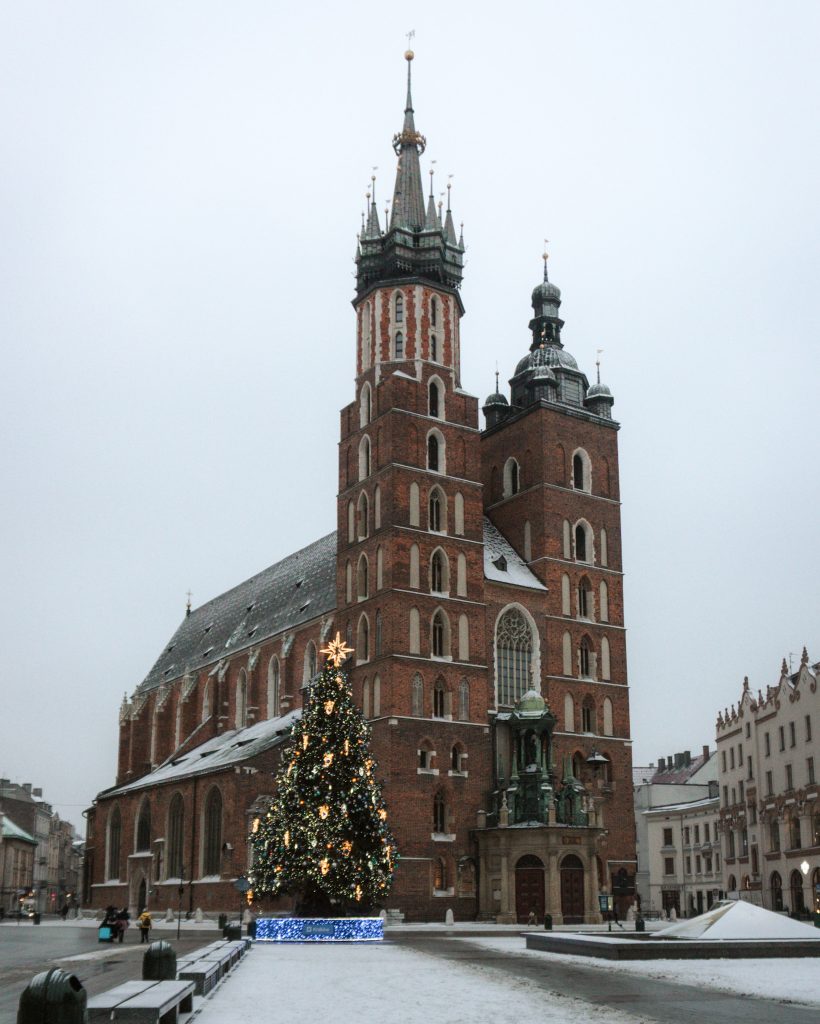
But if I had to pick one city to visit for your first time in Poland, it would always be Warsaw.
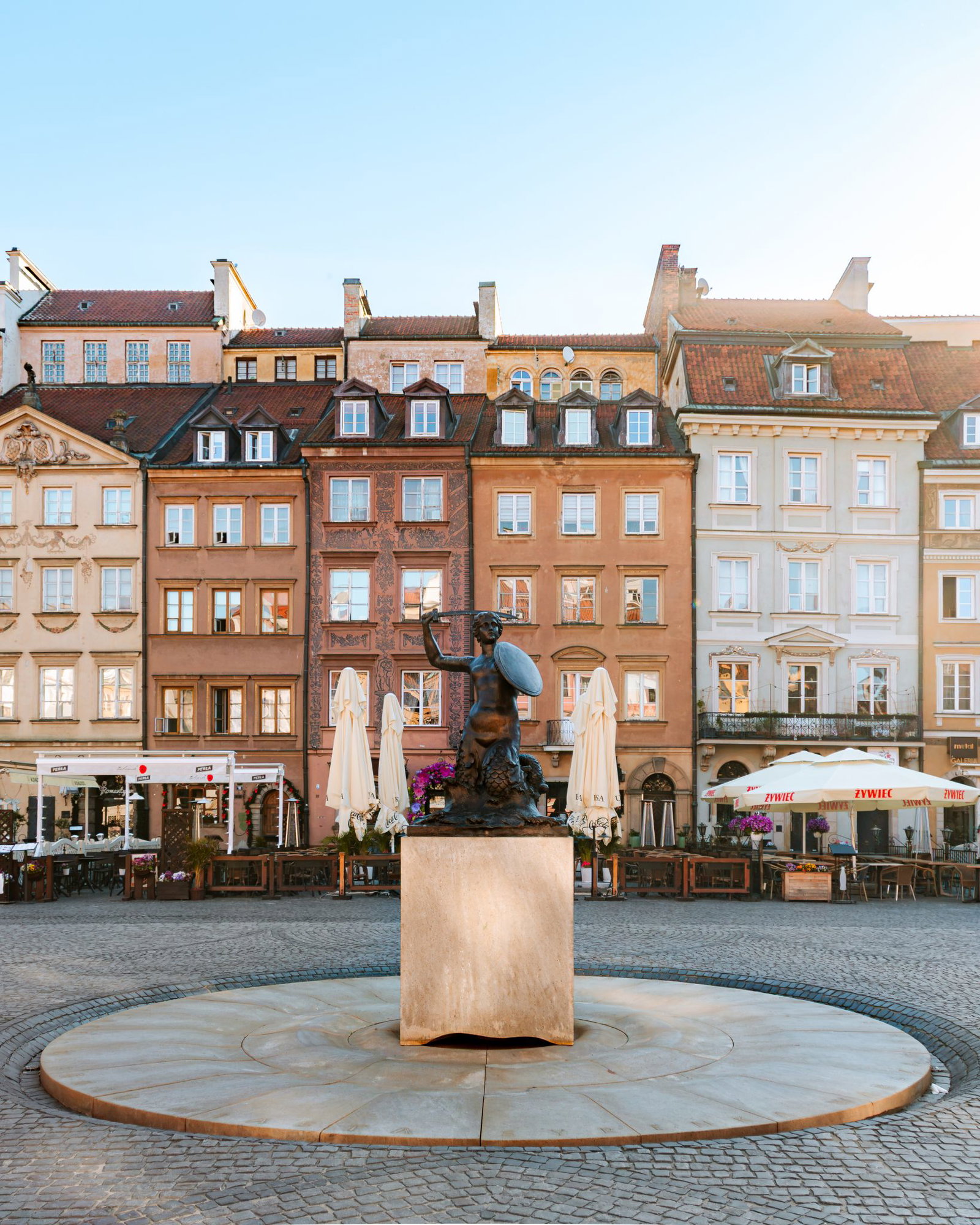
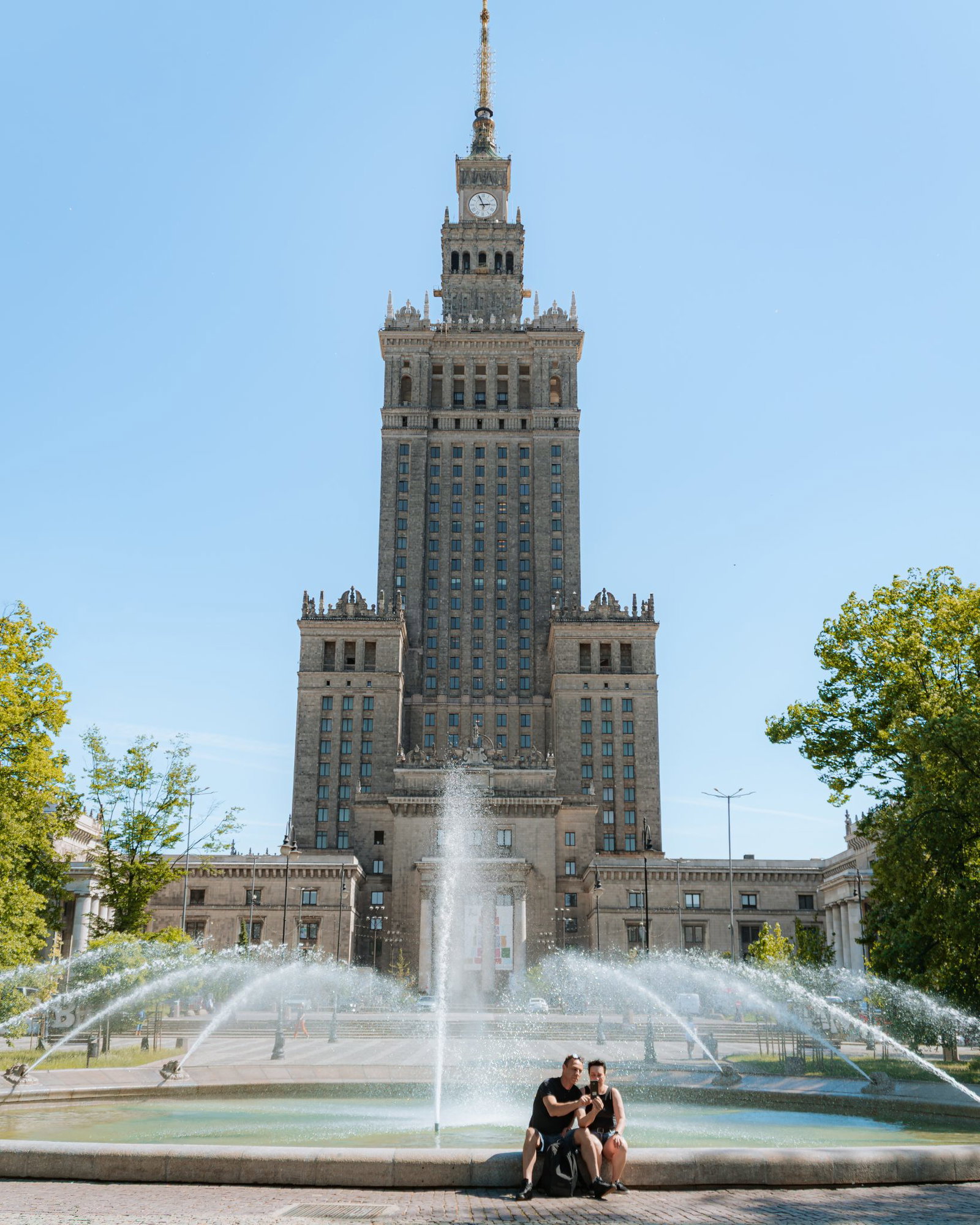
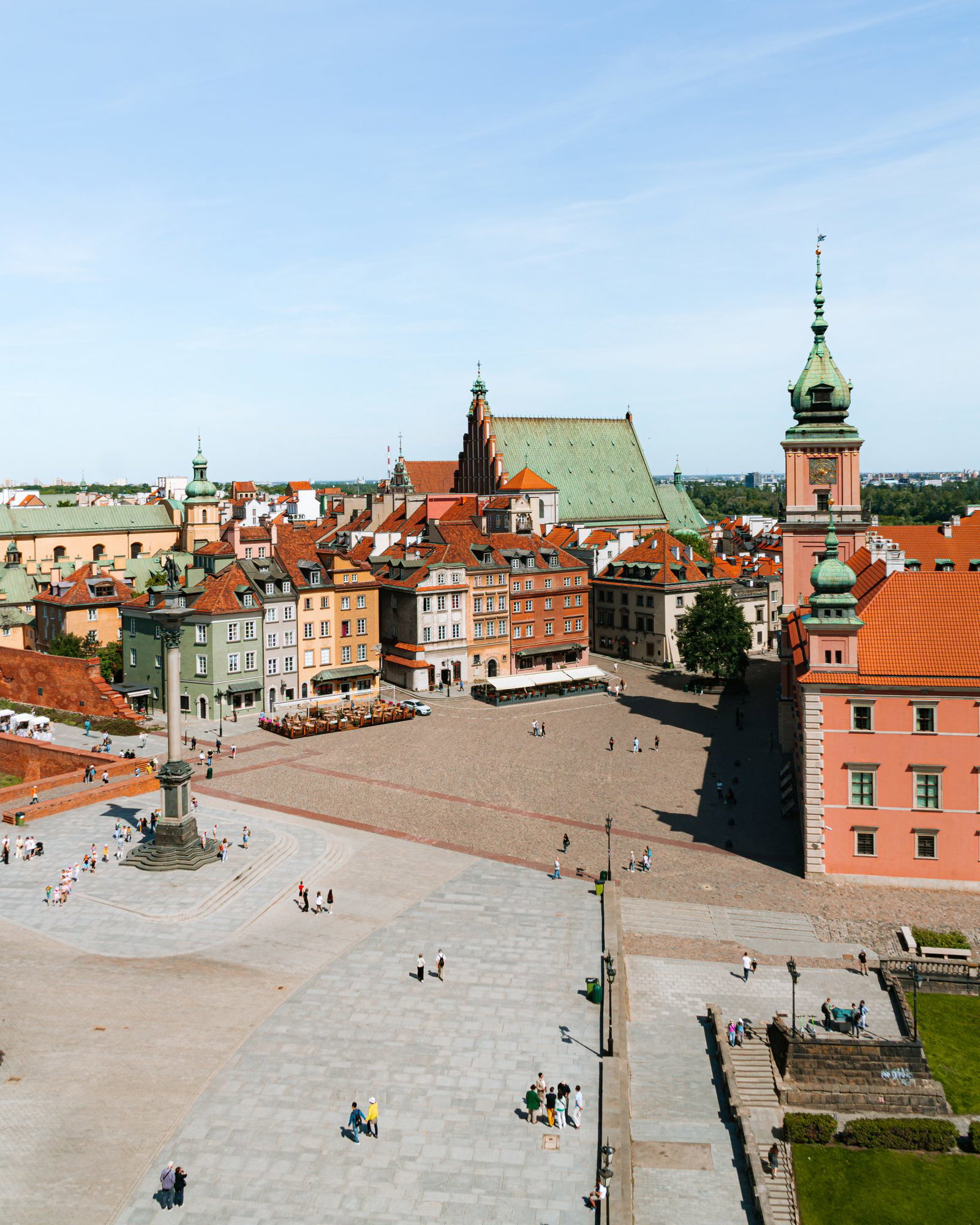
- Warsaw – is not only filled with history, but it’s also a modern capital city. With rich culture, charming neighbourhoods and delicious cuisine Warsaw is a fascinating mix of old and new. The Old Town is beautiful, the Palace of Culture and Science is iconic, and the Warsaw Uprising Museum is one of the best in Europe.
If you have only one day in Warsaw, check out my blog post where I share a perfect one day itinerary that will give you a good overview of what Warsaw has to offer and will allow you to see the most important places and historical landmarks.
Ok, but where else should you visit?
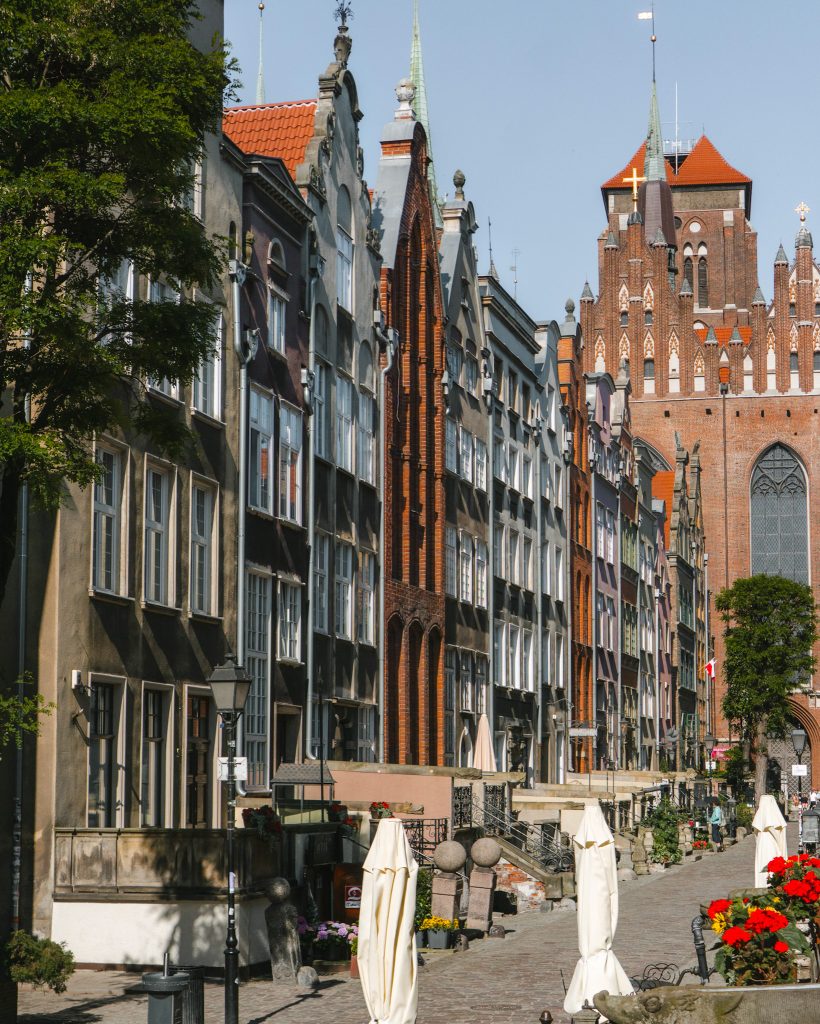
- Gdańsk – located in the north of Poland, Gdańsk is like a postcard. With colourful streets, a gorgeous waterfront, and loads of history (this is where WWII started!), I would definitely add Gdańsk to your itinerary. Do you want to know what to do there? Check out my Gdańsk blog post!

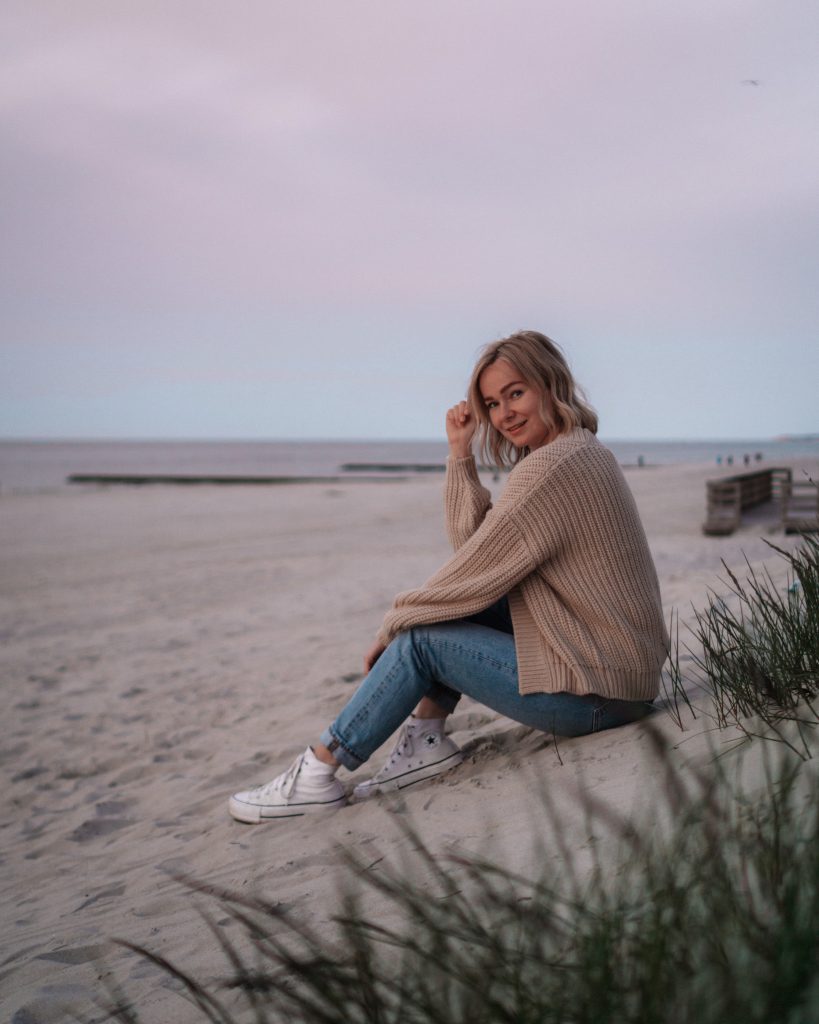
Speaking of beaches, did you know that Poland has over 500 km of sandy beaches, charming seaside towns, and stunning natural landscapes? While Poland might not be the first place that comes to mind when you think of beach destinations, consider it if you have a few days to spare.
- Toruń – if we’re already in the north of Poland, I have to mention Toruń. The birthplace of Nicolaus Copernicus, Toruń is small, but magical. Medieval streets, Gothic architecture, beautiful waterfront – it’s a perfect city for a one day trip. Ohh and you can find the best gingerbread you’ll ever taste there. Toruń is famous for it.
- Wrocław – or as the city advertises itself: Wroc-love. Located in the south of Poland, it’s the last city I’m going to mention, I promise. But I had to because Wrocław’s Market Square is one of the prettiest in Poland. You can also have fun chasing tiny gnome statues hidden all over the city and have a sunset stroll through Ostrów Tumski district.
- Zakopane and the Tatra Mountains – since we came back to the south of the country, I have to mention Zakopane and the Tatra National Park. If you like hiking, skiing or you simply enjoy nature and amazing mountain views, this part of Poland is for you. Hike to Morskie Oko or up to Giewont, admire unique architecture and don’t leave without trying oscypek (smoked cheese). A word of warning though: Zakopane is always busy.
If by any chance you are thinking of going to Zakopane during winter, check out my “ultimate guide to the Polish Mountains” blog post.
I know, that I listed a lot of places here, basically all of them. 😉 But I feel like there are more worth mentioning. If you have time, you could also stop by Poznań and witness the goats butting their heads, go to Białowieża Forest to see the bison, go sailing in the Masurian Lake District.

9. How long do you need in Poland?
That really depends on you, how much time you have and what you want to visit. Because you can easily come for a city break or a 2-week vacation.
If you’re short on time, a weekend trip is perfect for exploring a single city like Warsaw, Kraków or Gdańsk – each packed with history, culture and great food. But if you want to see more of the country, a week or two will give you time to visit multiple destinations, from the mountains in Zakopane to the beautiful Baltic coast.
10. It’s easy to get around
So it’s your first time in Poland and you want to know; how do you travel between all those places that are worth visiting? Easy!
Poland is an easy country to navigate, thanks to its well-developed transportation network. I’d especially recommend trains. Both the railway network and the trains themselves have been modernized in recent years, so travelling between the cities is fast and pleasant. High-speed trains like the Pendolino make travel quick and comfortable, while regional and intercity trains provide extensive coverage. The prices are very affordable too.
You can easily buy your train tickets online, by clicking here. Buying them a few days in advance is recommended. If the website doesn’t work for you – sometimes it might not if you’re booking from abroad – switch Polish VPN on.
I’ve been using NordVPN for years. Not only for buying train or plane tickets, but also for general Internet security. Use my special link to get up to 76% off and a free eSIM from Saily!
If you decide to rent a car, that’s a great option for getting around too. Car rental companies are at every airport and the roads are well-maintained, making a car travel a smooth experience. If you are looking to rent a car, check out Rentalcars.com they search through all the providers for you and find the best deals. I’ve used them many times, all over the world.
For longer distances, you can obviously take domestic flights. But that sometimes is more time consuming than simply taking a train.
Public transportation in cities, including buses, trams, and the metro systems in Warsaw, is efficient and inexpensive. In a lot of cities you buy a ticket on the bus/train directly, using contactless payment. But do check that for every particular transportation method before getting onboard.
11. People are nice and friendly
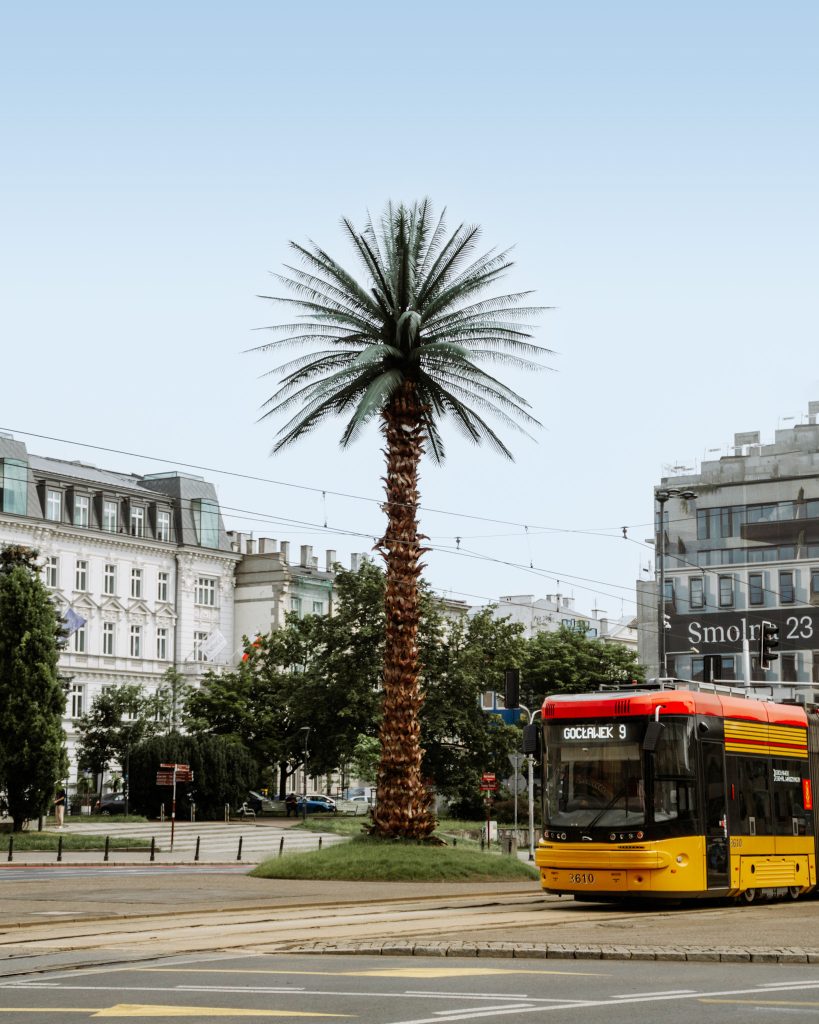
Well ok, let me start by saying that Poland is not a country where people will smile at you on the streets. My English boyfriend always comments on that. I’d say we’re quite reserved, especially the older generation. But if you get a chance to meet a few Poles, you’ll soon find out that they’re warmth and hospitable. You’ll definitely never leave any Polish household hungry or thirsty – guests are often treated with great generosity.
In general, everyone is rather nice and friendly. And helpful too. If you ever find yourself in a problematic tourist situation, I’m sure that you’ll receive help from every Pole, whether it’s helping you with a suitcase, giving directions or recommending local spots.
12. There’s something to eat for everyone
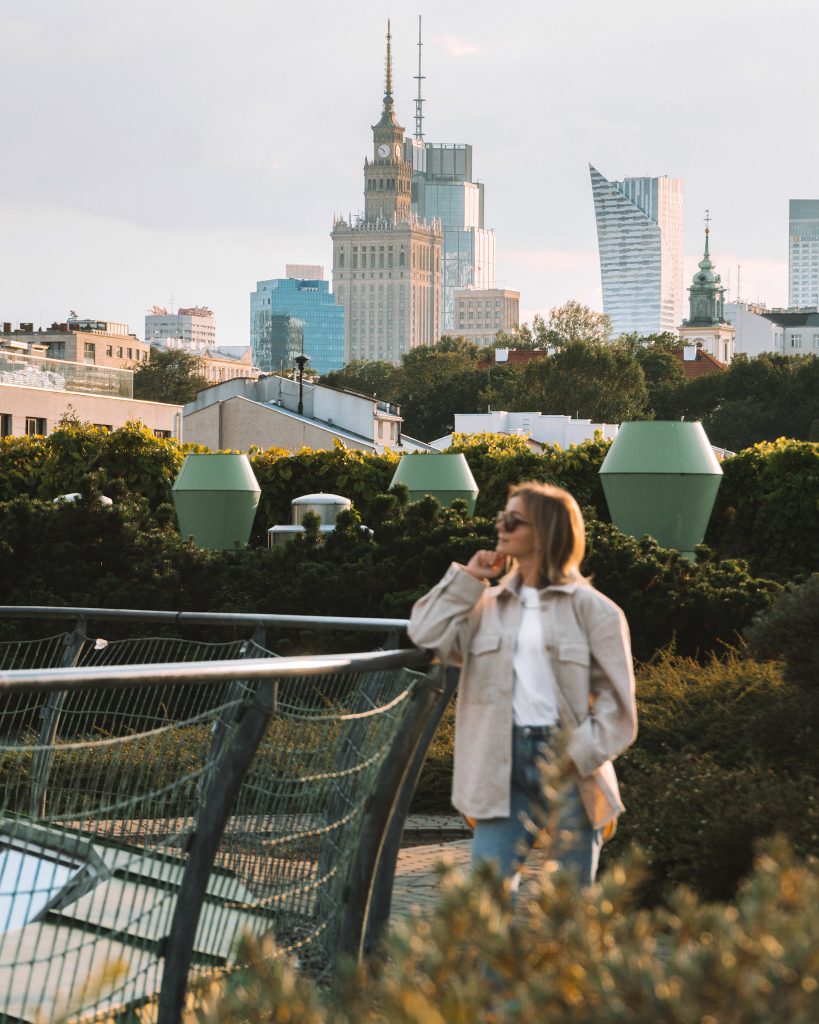
One useful thing to know about Poland is that you definitely won’t go hungry. Polish cuisine is packed with delicious options. From hearty meat dishes to comforting soups or lighter meals – you’ll always find something delicious to try. Apart from a popular must-try pierogi, that come with a variety of fillings, you can pick dishes like bigos (hunter’s stew) and kotlet schabowy (breaded pork cutlet) or placki ziemniaczane (crispy potato pancakes). Ever tried pigeons? No, not real ones. 🙂 It’s just another meaty dish (known as gołąbki) where cabbage rolls are stuffed with minced meat and rice. They’re served with a tomato sauce and potatoes.
While super traditional dishes are definitely more for meat eaters, I’m happy to share, that in recent years Poland has embraced vegetarian and vegan cuisine too. Warsaw has even became an unofficial vegan capital of Europe. You can choose from vegan versions of traditional dishes or try international vegan cuisine, like vegan ramen.
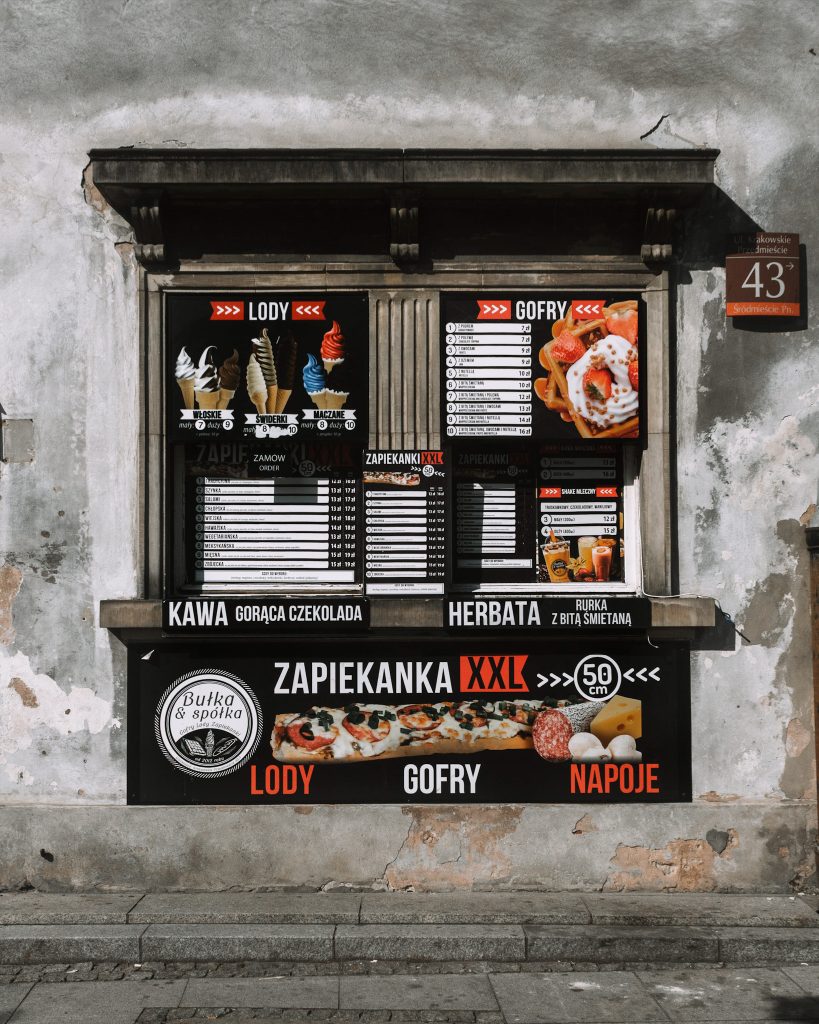
Something that you have to try is zapiekanka. It’s really just a piece of baguette, traditionally with mushrooms, cheese, some sausage and ketchup or mayo on top. Although now you can get them with many different toppings. It’s a street food and makes a great snack, especially when sightseeing or coming back from a party. 😛
Fancy something sweet? After travelling to many countries, Polish pastries are still my favourite. Pączki, classic drożdżówki and jagodzianki are definitely a must try.
So whether you’re a foodie looking for traditional flavours or someone with dietary preferences, Poland has something to satisfy every craving.
13. We drink more than vodka
I can’t believe that I’m writing about vodka on my blog, but that’s another stereotype about Poland that has to be broken. Especially if it’s your first time in Poland.
Yes, a lot of Poles do like their vodka. But firstly, it’s not like we wake up and have vodka first thing in the morning. And secondly, that’s not the only thing we drink.
Poland has a great beer scene, with plenty of local breweries making everything from classic lagers to craft IPAs. Craft beer bars and stores are becoming more popular, especially among younger people. Great cocktails bars are in demand too.
If you’re not into alcohol, the speciality coffee scene, while not huge, is growing, with cute coffee shops peeking from many corners. Plus there’s always kompot – a homemade fruit drink that’s super popular, especially with meals.
So yeah, there’s way more to drink in Poland than just vodka! Although I would still encourage you to try it. Especially as a shot with a soured cucumber.
14. Shops are closed on Sunday
The last thing to know before your first time in Poland, is that you won’t do much shopping on Sundays. Due to a law restricting Sunday trade that was introduced a few years ago, most shops are closed. You can still buy basic necessities in small local stores, gas stations, pharmacies – those can remain open. The same with shops at train stations or airports. But if you’re hoping to rave a mall on Sunday in Poland – that’s not going to happen.
There are a few Sundays – usually before Christmas, Easter and other holidays – when the stores are open. But it’s still a good idea to plan ahead and do your shopping on other days to avoid any surprises!
Restaurants, bars, coffee shops usually remain open on Sundays, but I’d definitely double check that before planning a visit.
That’s a wrap!
Hope and found those tips useful and you’ll enjoy your first time in Poland. Visiting Poland for the first time is an exciting experience, filled with rich history, delicious food and welcoming people. Whether you’re exploring vibrant cities, relaxing in nature, or diving into local traditions, there’s something for everyone to enjoy. So pack your bags, brush up on a few Polish phrases, and get ready for an unforgettable adventure!
Hi, it’s Aga, the author of this blog. If you found this blog post interesting, entertaining or useful, please think of buying me a virtual coffee to support the site’s running costs. But if you know me, I might actually spend it on coffee. Thanks!
Pin for later!


Aga, super interesting, someone that’s never been to Europe Poland fascinates me mayb because I follow you and read alot,super enjoyable 💯
Thanks so much Scott! I really appreciate it!